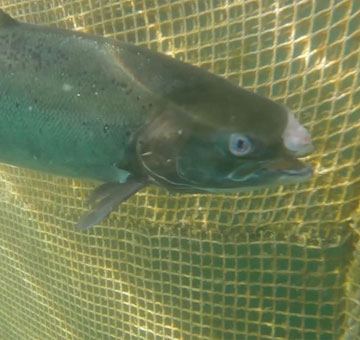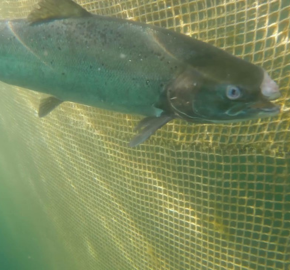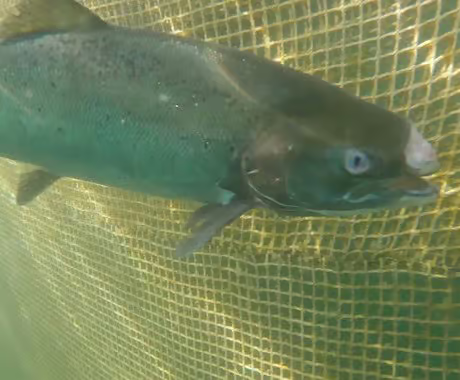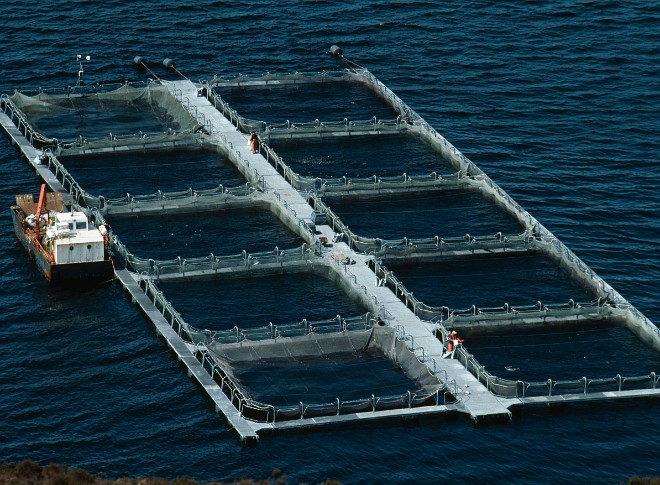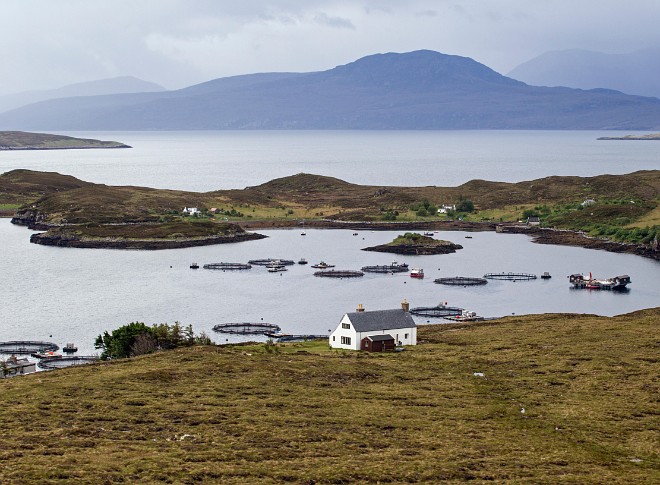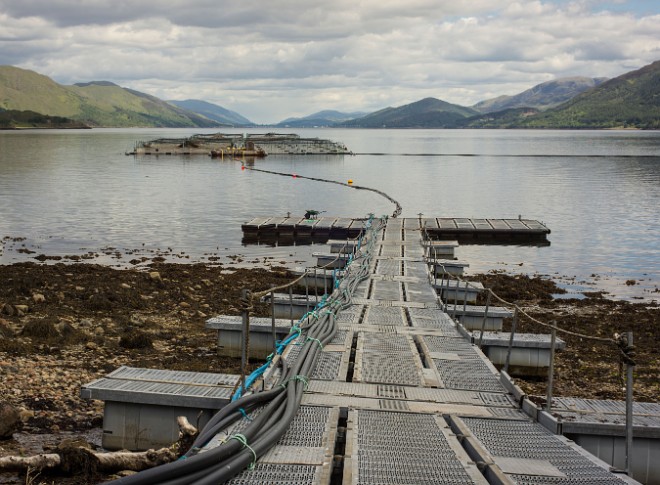
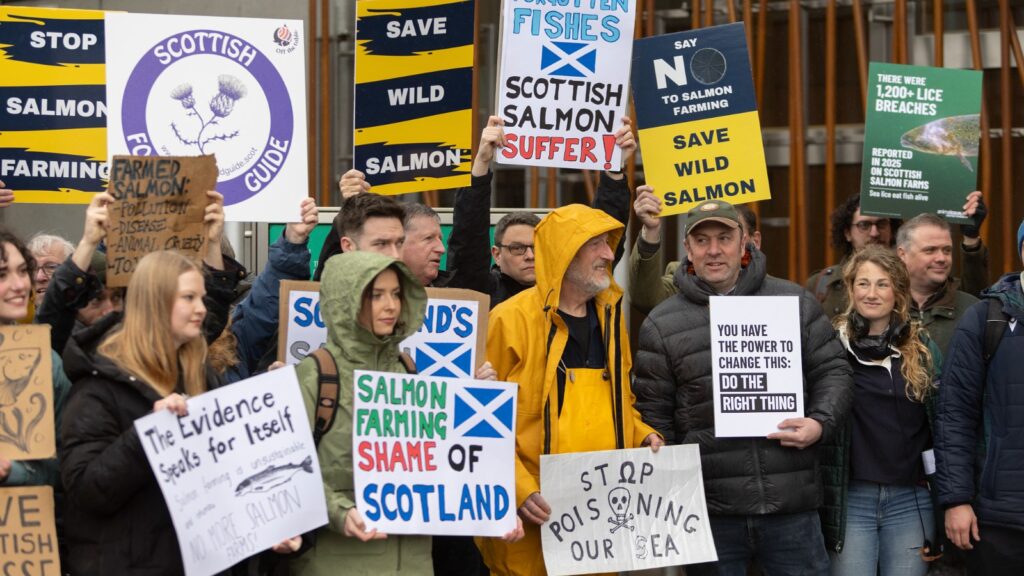
Open-net salmon farming is contributing to the spiralling decline of wild salmon and sea trout populations.
WildFish combines science, legal action, public campaigning and market pressure to end the harm caused by open-net salmon farms.
WildFish combines science, legal action, public campaigning and market pressure to end the harm caused by open-net salmon farms.
There are a number of powerful ways that you can help support this campaign.
Follow the links below to discover more and learn from our team about the most recent campaign updates.
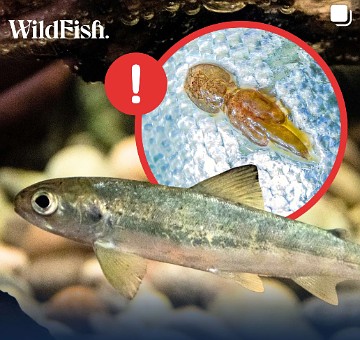
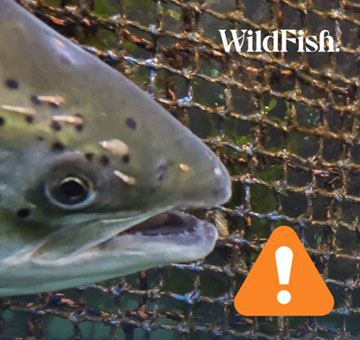
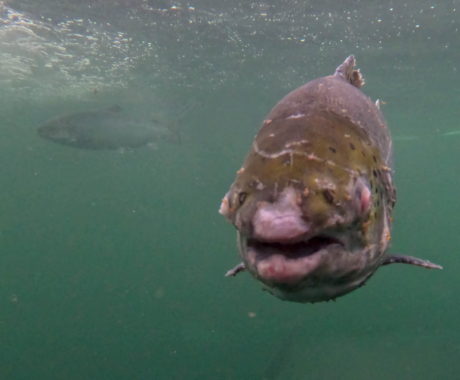
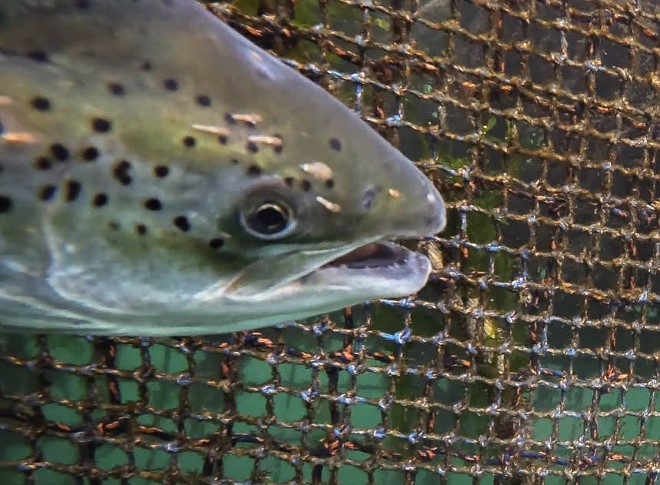
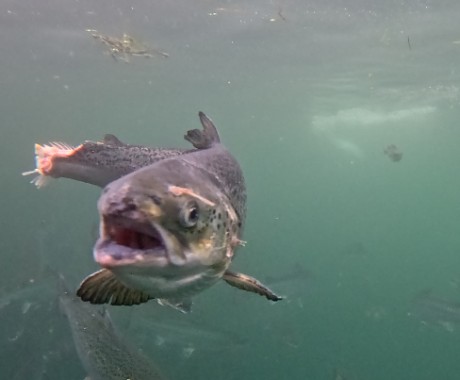
Salmon farms are intensively stocked with such high densities of fish that sea lice parasites thrive and quickly multiply; sea lice larvae then disperse in their billions into surrounding waters. As young salmon leave Scotland’s rivers and head towards the open Atlantic, they pass through sea lochs and coastal waters plagued by these microscopic larval sea lice emanating from salmon farms. If just a few sea lice latch onto a young salmon, that fish will almost certainly die during its migration. The lice can progressively eat the skin and mucus from the fish to lethal effect. They also leave wild fish more vulnerable to other infections and can alter their behaviour, growth, and survival. The artificial elevation of the concentrations of sea lice is therefore a form of biological pollution.
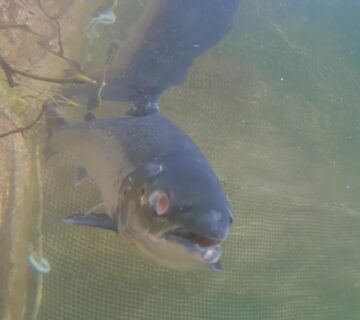
In the past 30 years, over three million farmed salmon have escaped into the wild. Escaped farmed fish breed with wild salmon populations, compromising their genetic adaptations and ultimately impacting their chance of survival. Government studies estimate that 20% of Scotland’s river network is already affected by this genetic introgression at the national scale, with levels as high as 78% in Lochaber, which hosts large numbers of salmon farms. Escaped farmed fish may also compete with wild populations and increase the ecological pressure on already depleted wild salmon stocks.
Salmon farms are a breeding ground for a range of virulent diseases. As sea temperatures rise, so too do the potentially fatal conditions and diseases that impact farmed fish. There is increasing evidence that some diseases can spread through open-net pens to wild populations.
Millions of farmed salmon die every year in these industrial farm sites, with mortality rates across the industry are often well above 30%. Salmon aren’t the only casualties. Farms also use ‘cleaner fish‘, such as wrasse and lumpfish, to remove sea lice from farmed salmon. These fish are often captured from wild populations, putting additional pressure on marine ecosystems. Cleaner fish also suffer high mortality rates in salmon farms and are killed at the end of production cycles.
Scotland currently has over 200 salmon farms, which routinely dump untreated waste, fish faeces, uneaten feed and veterinary treatments, into the surrounding waters. Combined, they produce the same amount of waste as half of the Scottish human population.
Common treatments for sea lice infestations on salmon farms include the use of harsh chemicals. Sea lice have evolved resistance to many classes of drug used for such treatments. These chemical treatments are released into the sea and can persist in the environment causing harm to marine wildlife for long periods of time.
The production of farmed salmon comes at a significant environmental cost. Farmed salmon are carnivorous fish, fed on a diet that includes fishmeal and fish oil produced from wild-caught fish. Many of these fish, including anchovies, sardines and mackerel, could be eaten directly by people. They also play a vital role in marine food webs, providing food for seabirds, marine mammals and larger fish. Harvesting these species to feed farmed salmon places additional pressure on marine ecosystems.
Turning wild fish into feed for farmed salmon is also an inefficient way of using valuable marine nutrients. During the process of converting wild fish into fishmeal and fish oil, feeding these ingredients to farmed salmon and growing the fish to harvest, much of the original protein, energy and other nutrients are lost. This means that salmon farming consumes more marine nutrients than it ultimately delivers as food for people, raising serious questions about food security and the sustainability of using wild fish to produce farmed salmon.
Salmon farming is often promoted as an important source of jobs and economic investment in Scotland’s coastal communities. However, these benefits must be weighed against the wider costs of the industry, including its environmental impacts and the consequences for other businesses that depend on healthy coastal waters. Inshore fishing, tourism, recreational angling and other marine industries are affected by the presence and impacts of salmon farms.
Independent research commissioned by WildFish highlights the importance of accounting for the displacement of jobs and economic activity in other sectors, the environmental costs of salmon farming, and how much of the economic benefit remains within local communities.
The salmon farm industry’s vulnerability to disease outbreaks, warming seas and disruptions to feed supplies also raises questions about its long-term economic resilience. These risks can expose communities where salmon farms operate to sudden economic shocks, with consequences for local jobs. Coastal communities deserve an economy that supports local livelihoods without undermining the natural environment on which long-term prosperity depends.
Open-net salmon farms compromise the integrity of the marine and freshwater ecosystems of Scotland. They are a serious cause of wild fish decline and incompatible with their recovery. Other countries are now banning salmon farming in their coastal waters. WildFish campaigns for:
Click on the link below to read our literature review about the impacts of open-net salmon farming on wild fish and their environment.
Following years of campaigning, Soil Association Certification withdraws from setting standards so that salmon farms can be certified as “organic”. The decision follows a two-year review, triggered in 2024 by WildFish’s request to see its organic salmon farm inspection reports.
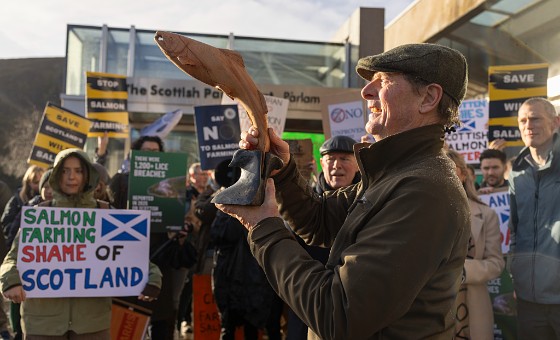
More than 8,000 letters of concern were sent by the Scottish public to parliamentary candidates ahead of the Scottish Parliament election on 7 May 2026.
The WildFish Reality Gap report shows that Scottish farmed salmon is being marketed in such a way that consumers could be misled as to the origin, welfare and environmental performance of their purchases.
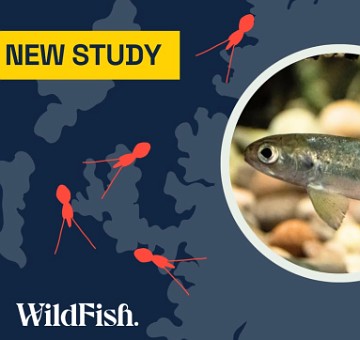
WildFish publishes results of sea lice modelling study that indicates wild salmon from Scotland’s east and north coast rivers could be impacted by salmon farming.
WildFish and Coastal Communities Network make a formal complaint to Environmental Standards Scotland in response to the Scottish Environmental Protection Agency’s failure to protect endangered wild salmon from sea lice parasites.
WildFish publishes a report investigating certification of Scottish farmed salmon.
Off The Table launches online directory showcasing hospitality professionals and businesses who have taken farmed salmon off their menus.
WildFish publish a new report and find that the Scottish salmon and trout farming industry is allowing parasitic sea lice levels to reach over 5 million lice on a single farm at one time, with up to 2 billion sea lice being emitted over a week, risking fatal spread to wild fish.
WildFish Launch Off The Table to raise awareness of the environmentally destructive nature of the salmon farming industry, calling on hospitality professionals and food lovers to take farmed salmon off its menus.
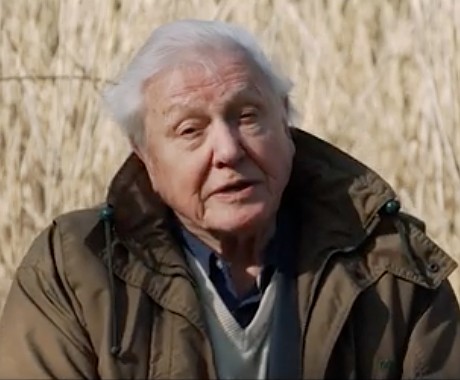
For the International Year of the Salmon, we asked Sir David Attenborough for his views on the need to protect the species.
We say that to save wild salmon, Governments across the Northern Hemisphere need to act now. The video gives a very clear message about this, if we are not going to lose ‘the King of Fish’ for ever.
The formal petition, submitted by WildFish, to the Scottish Parliament in 2016 triggers a Parliamentary Inquiry into the salmon farming industry. Conducted by two committees, it sets out to consider a reform of open-net salmon farming while highlighting the industry’s impact on wild salmon and sea trout.
WildFish submits a formal petition to the Scottish Parliament for tighter regulation of open-net salmon farming.
Support like yours allows our determined campaigning team to fight the destruction caused by open-net salmon farming, pollution and over-abstraction
Find out about all the ways in which you can help wild fish…