Our core tool: Invertebrate fingerprinting
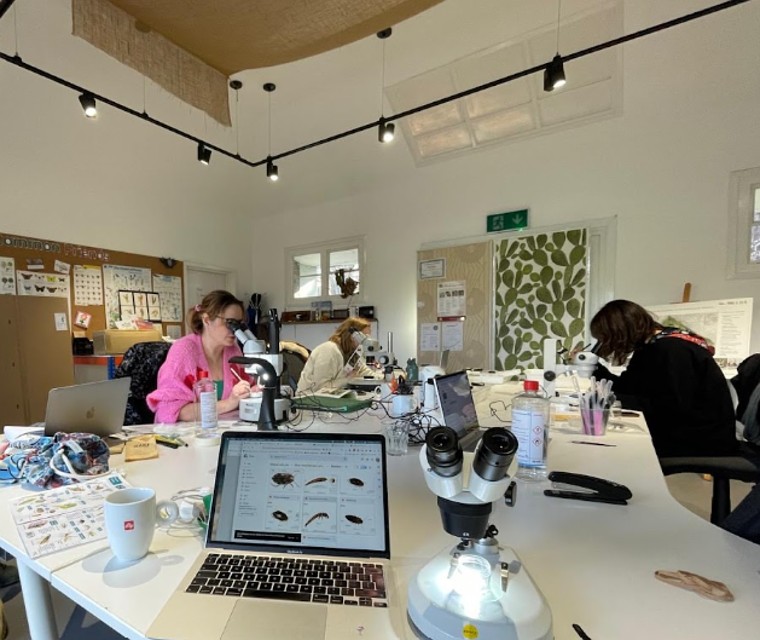
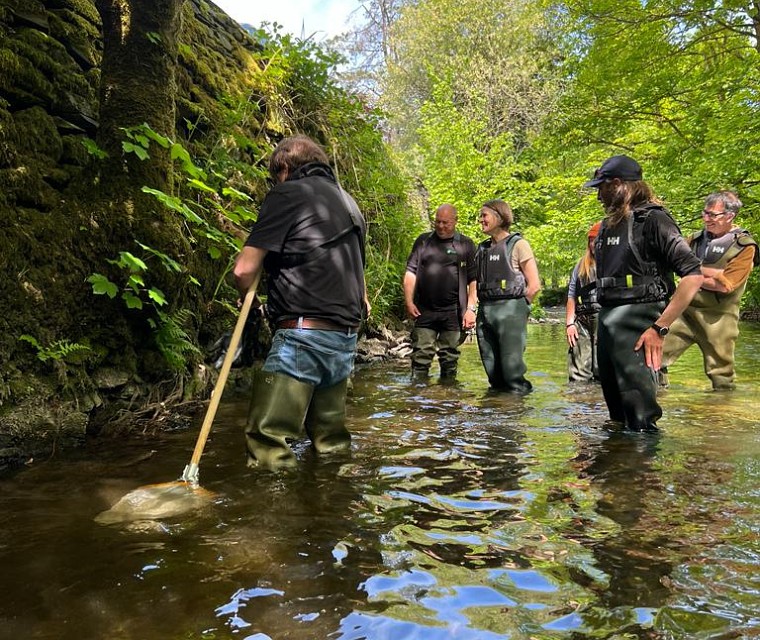
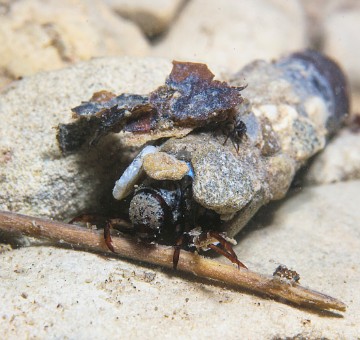
This entails the collection of invertebrate samples in spring and autumn annually. Samples are collected using the industry standard methodology (three minute kicksweep and one minute hand search method). Each sample is preserved away from the river bank and, where possible, analysed to species-level.
This monitoring allows changes in invertebrate diversity and abundance to be assessed, highlighting trends and areas at risk. Water quality ‘scorecards’ are also generated, grading the impact of five common water quality stress types. Reduced flows, chemicals, sediment, phosphorus and organic pollution.
Our add ons
1. eDNA benchmarking
Every living organism sheds genetic material into the environment around it.
With kits provided by our specialist partner, Trace Biomonitoring, SmartRivers groups can use this environmental DNA (eDNA) to assess presence and absence across 33 taxonomic groups, from bacteria to vertebrates.
This monitoring entails collecting water samples and filtering them, before sending them back to the lab for sequencing.
Find out more.
2. Redd Snapper
Redd Snapper is a bankside identification tool developed by the Institute of Fisheries Management (IFM) for logging fish spawning through identification of redds.
Using an app, you simply snap a photo from the riverbank, add information about your location and the conditions and upload your entry to a central database of redd sightings that will help track the condition of our rivers for healthy wild fish populations.
Find out more.