We’re fighting chemical pollution with science and evidence for long-term change. Want regular updates? Sign up to stay connected with the latest news and actions from WildFish.
Subscribe for regular updatesToday, more than 350,000 regulated chemicals are in use. Our rivers are currently only checked for 52 of these. We are raising the alarm on veterinary medicines and pesticides as major contributors to the accumulative impacts of toxic substances entering our freshwater ecosystems.
350,000
regulated chemicals are in use.
52
are checked in our rivers.
We’re fighting chemical pollution with science and evidence for long-term change. Want regular updates? Sign up to stay connected with the latest news and actions from WildFish.
Subscribe for regular updatesFollow the links below to discover more and learn from our team about the most recent campaign updates.
Veterinary medicines: flowing silently into our rivers, lakes and streams, veterinary medicines are a significant and under-recognised threat to freshwater ecosystems. We are actively working to reduce the impact of these products.
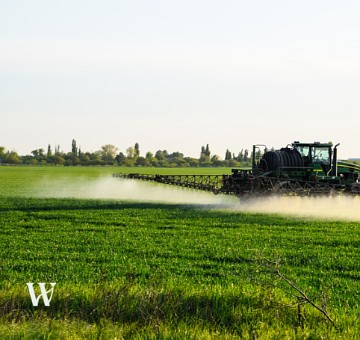
Pesticides: Plant Protection Products used by farmers including insecticides, weedkillers and fungicides wash into rivers and streams when it rains. We are actively working to ensure that regulators meet their responsibilities to protect freshwater ecosystems from these harmful chemicals.
By 2030, the worldwide market for chemicals of all types is predicted to double.
Manufactured chemicals are everywhere. They are found in drugs, toys, paints, textiles, plastics, carpets, pesticides and fertilisers.
These chemicals leach into the water, air and soil.
Harm to river life: Chemicals can and do damage the environment irreversibly. Exposure to chemicals can cause death in freshwater species, or have sub-lethal impacts by disrupting physiological pathways, reproduction and natural behaviours. Many of the risks associated with chemical pollution are not yet known or fully understood.
The impacts of climate change are increasing the threat: During heavier and more frequent rainfall, chemicals are washed into rivers and streams from sewers, roads, and from the land. Prolonged periods of drier weather also have an impact. Less rainfall reduces the water available for dilution in rivers and lakes and the concentration of chemicals in the water increases, with increased toxicity for wildlife.
To protect wild fish from toxic chemicals, the government and key regulators need to:
1. Prioritise prevention and precaution when licensing chemicals of all types (including industrial chemicals, pharmaceuticals, veterinary medicines, pesticides, biocides and human medicines) and when considering ‘safer’ substitution for known hazardous chemicals.
2. Commit to a phasing-out of the most hazardous chemicals from all uses. Using hazardous chemicals for non-essential uses should not be permitted.
3. Address the ‘cocktail effect’, the combined exposure of wildlife to many different chemicals in the environment, often involving low-level, chronic exposure, having overall toxic effects that are not properly considered in current licensing procedures.
4. Establish an effective and properly-funded monitoring and ‘alert’ system to detect hazardous chemicals in the environment.
5. Ensure the effective regulation of chemicals, based on a precautionary approach to the licensing of chemicals, the assessment of their ecological impact, both individually and in combination with other chemicals, across all types of chemicals (industrial chemicals, pharmaceuticals, veterinary medicines, pesticides, biocides and human medicines).
Learn more about the worrying impacts of chemical pollution in our co-authored report published alongside The Pesticide Collaboration, Buglife and RSPB.
Our report into the problems of veterinary medicines in the aquatic environment examines the pathways through which veterinary medicines enter waterways, the gaps in monitoring and lack of available data as well as the failure to regulate use. The report makes recommendations for improvements to address the harm being caused.
Support like yours allows our determined campaigning team to fight the destruction caused by open-net salmon farming, pollution and over-abstraction
Find out about all the ways in which you can help wild fish…