Water Pattern - Wildfish

Connected waters are vital for fish to move and thrive.

They support species at different stages of their life cycle; to spawn, find food, grow, and seek shelter. Movement allows adults to reach breeding grounds, juveniles to access nursery habitats, and fish of all ages to escape poor conditions like pollution or low oxygen. 

A staggering 97% of UK rivers are no longer connected. Follow the links below for the action we are taking right now to reconnect rivers and help fish move freely.

Connected waters are vital for fish to move and thrive.

Campaigns

The impacts of fragmented waters on wild fish

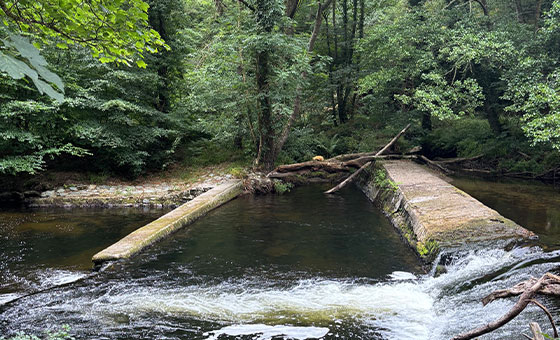
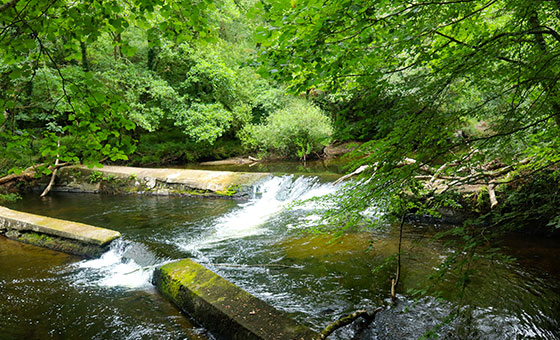
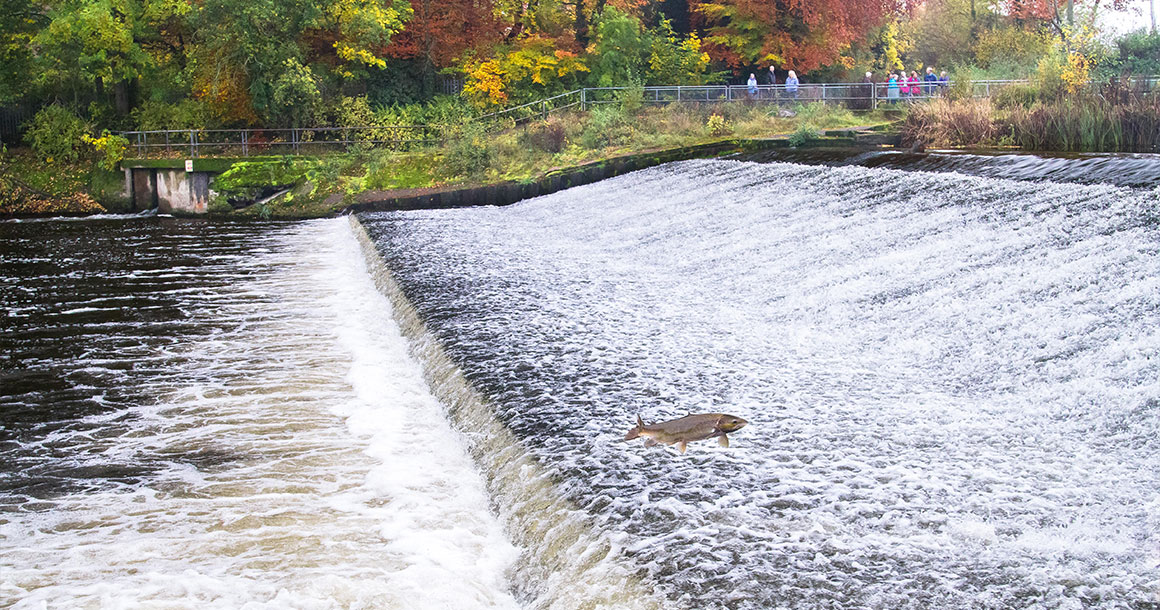
When barriers block these routes, fish can become trapped, breeding success declines, and populations weaken or disappear. Barriers take on many forms. From weirs and culverts to dams, artificial barriers litter the network of rivers, lakes and streams across the UK.

Fragmented Rivers - Wildfish
Water Pattern - Wildfish

What wild fish need

Wild fish thrive when they can freely travel the length of our rivers from their spawning grounds in the headwaters to our coasts and sea and back again. When waters are well connected and fish are free to move according to their needs, their populations will thrive.

What wild fish need - Wildfish

Support Us

Support like yours allows our determined campaigning team to fight the destruction caused by open-net salmon farming, pollution and over-abstraction

Find out more

Find out about all the ways in which you can help wild fish…