Sign our handraiser and join thousands calling on the government to reconnect rivers and give wild fish a fighting chance. It takes 30 seconds.
Take action to help fish move freelyOver 60,000 artificial barriers are fragmenting UK rivers and preventing migratory fish from moving freely. Imagine trying to get home, but every road is blocked. You can see where you need to go, but you can’t get there. That’s the reality wild fish are facing across the UK right now. We’re working to reconnect rivers from source to sea to protect wild fish populations.
60,000
Artificial barriers fragment UK rivers.
4,000
WildFish supporters have signed our handraiser to help reconnect rivers.
Sign our handraiser and join thousands calling on the government to reconnect rivers and give wild fish a fighting chance. It takes 30 seconds.
Take action to help fish move freelyFollow the links below to discover more and learn from our team about the most recent campaign updates.
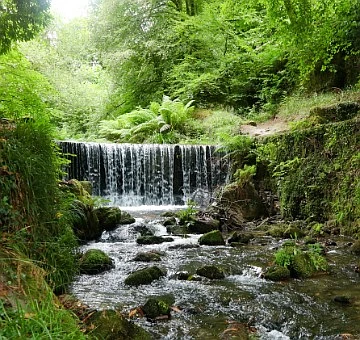
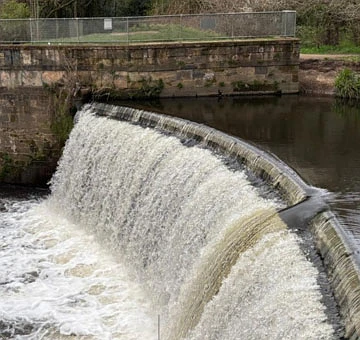
Rivers should be dynamic, connected systems that allow fish to move freely between the habitats they need to survive. Instead, most of our rivers are fragmented by thousands of artificial barriers including weirs, dams, culverts and other structures that interrupt natural flows and block fish movement.
Did you know that:
Of the 7 freshwater fish species at risk of extinction in the UK, barriers are explicitly mentioned as a driving factor in the decline of four species. Barriers are physical obstructions that fragment river networks and:
WildFish have combined existing barrier datasets to create the most complete inventory of river barriers in the UK to date.
Over 70,000 river barriers were identified, the majority of which (87%) were artificial man-made obstacles.
Overall, most barriers in the UK are small, with average heights under 1 meter, but fish passes are rare (less than 1% prevalence), indicating significant obstacles to fish migration.
When it comes to restoring rivers, the evidence is clear: barrier removal is the most effective solution. Removing redundant or obsolete structures restores natural flows, reconnects habitats from source to sea and delivers rapid, measurable ecological recovery.
We want to see:
1. Barriers removed wherever possible
We need dedicated funding and a strategic plan for barrier removal, where the most ecologically damaging barriers are prioritised first.
2. Fish Pass Regulations
Where removal is not possible, fish passage is essential. For this, we need the government to introduce the Fish Passage Regulations, which are designed to deal with historic barriers and have been in draft since 2009!
🐟 BBC: Scheme to help salmon numbers shows signs of success
🐟 BBC: Salmon breed for first time in 200 years on don after 10yr project to install fish passages
🐟 The Guardian: Young Atlantic salmon seen in three English rivers for first time in a decade
🐟 BBC: Former River Tweed bosses credited with keeping salmon numbers healthy
Support like yours allows our determined campaigning team to fight the destruction caused by open-net salmon farming, pollution and over-abstraction
Find out about all the ways in which you can help wild fish…