

Independent analysis shows salmon farming is failing to pay its way in Scotland


WildFish and the Sustainable Inshore Fisheries Trust (SIFT) call for urgent national economic scrutiny as a new study by two independent analysts shows that Scotland’s farmed salmon sector is failing to pay its way – with overstated benefits, underestimated costs, and substantial public subsidies masking its true economic – and environmental – footprint.
Despite being dominated by multinational companies, the Scottish salmon farming industry benefits from tax breaks, grant aid and weak regulation, while many of its environmental and economic costs fall on Scotland’s coastal communities rather than on the companies themselves. The report makes some key recommendations, not least that the Scottish Government should follow best practice guidance for undertaking a comprehensive economic assessment of the industry. WildFish and SIFT believe that any further public funding and expansion should be halted until such an assessment has been completed.
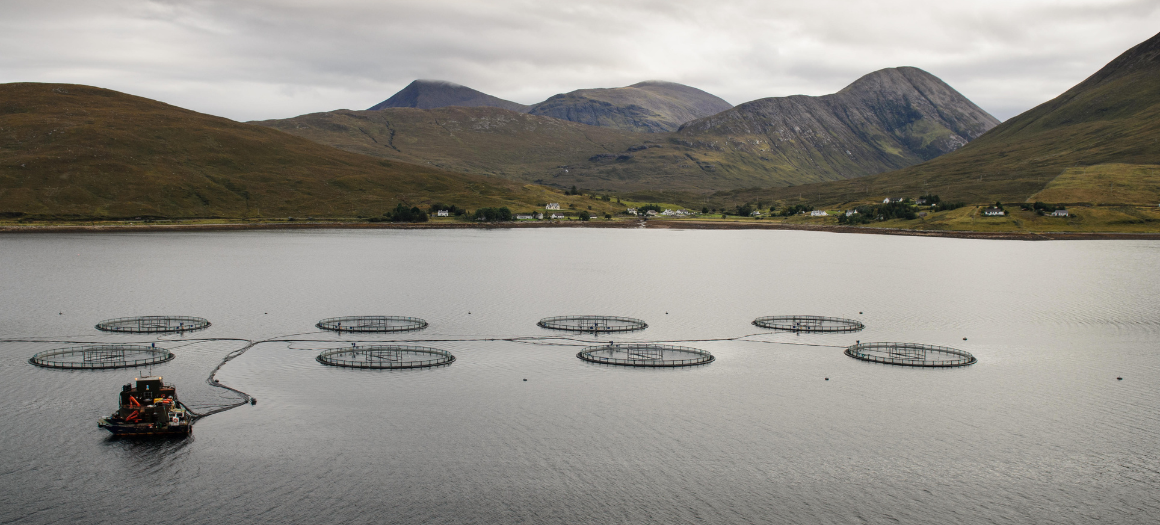
Using Skye and Lochalsh as a case study, the report’s authors from Pareto Consulting and the University of Edinburgh Business School found that up to a quarter of salmon farming jobs may not be genuine net additions, and that creel fishers, shellfish growers and marine tourism operators already face displacement, higher costs and ecosystem impacts from farm expansion. Profit leakage overseas further reduces the sector’s contribution to Scotland’s economy.
Nick Underdown, Scotland Director at WildFish, said: “Lax regulations and tax breaks have made Scotland a place that multinational salmon farmers love to operate. They don’t have to meet the same environmental standards that they do elsewhere, and by pouring their waste and chemicals into our seas they leave other marine industries to suffer the consequences. All the while the number of salmon production jobs has flatlined, despite years of exaggerated economic claims.
“This important report zoomed in on Skye and Lochalsh, where creel fishers, mussel farmers and marine tourism operators all take a hit from the space that salmon farms occupy, not to mention the long-term impact on wild salmon, sea trout and the wider ecosystem.”
Charles Miller from Sustainable Inshore Fisheries Trust, added: “The salmon industry operating in Scotland may tout itself as a success story, but we now have data on the jobs it costs in other sectors. All too often the benefits don’t stay in Scotland, the profits flow overseas, and local communities are left with both the bills and the environmental consequences.
“At the very least, this industry should now be required to pay its way and make a fair contribution to the parts of Scotland where its harmful effects are most widespread. The Scottish Government has spent far too many years touting the benefits of salmon farming and ignoring its costs: we need an independent Scotland-wide economic analysis of this sector before the multinationals get a penny more in state funding or any new planning approvals.”
Further Information
Follow the link below to download the full report: Assessing the Economic Impact of Salmon Farming in Skye & Lochalsh.
Read the Report
Excellent work and analysis again by Wildfish to expose the real cost and overstated benefits of this environmental grab “Scottish”industry.
Don’t forget the serious effect on Seatrout too