Open-net salmon farming is a notable cause of decline in UK populations of wild Atlantic salmon. Here’s Sondhya, our Off The Table campaign manager, to explain how pledging not to eat farmed salmon (not even for Christmas!) can and will have a positive impact on wild fish populations.
Why a Christmas pledge?
Many of us have already stopped eating and serving farmed salmon in all seasons. So why a pledge at Christmas?
The festive season is a big time for the food industry. Retailers, manufacturers and suppliers look to these couple of months to sell as much as possible. Just look at the sheer investment in Christmas advertising from the supermarkets, encouraging us to spend big on the things we may not normally buy. Things to make the season feel special and give us a taste of luxury.
These big organisations take notice of our buying habits. A huge number of people rejecting farmed salmon – whether a smoked salmon starter before the roast, with eggs for breakfast on Boxing Day, or in canapés with drinks at a party – will send a clear message.

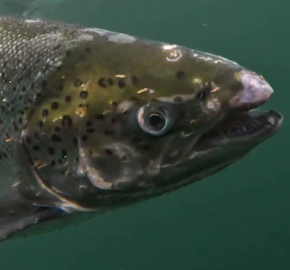
Image 01: Over 1,000 supporters have already signed the pledge to take farmed salmon off their menu.
Intensively farmed luxury
The salmon farming industry is especially keen to sell to us during the festive season. Leaning on wild salmon’s historical association with exclusivity and poshness, it’s doing all it can to make sure shoppers, cooks and chefs keep thinking of it that way. Even though now it’s selling an intensively farmed, mass produced product – a far cry from the image the industry is trying to convey.
The reality is far from the industry propaganda
Nothing about farmed salmon is luxurious or special. Its destructive environmental impact, terrible welfare standards and undeniably unsustainable practices have no place in the season of goodwill.
1. Environmental Impacts
Wild Atlantic salmon is on the brink of extinction in the UK. That’s partly because of the impact of open-net salmon farming. Salmon bred in pens are genetically different from wild salmon and less able to survive out in the open. But, escaped fish can and do breed with wild salmon, reducing the viability of the next generation. And this isn’t a theoretical problem: ‘escapes’ of farmed salmon – such as the 75,000 that swam from Mowi’s Gorsten site in Loch Linnhe during Storm Amy – are increasingly common.
The cramped conditions of open-net farms are also a breeding ground for lice and other diseases which spread away from the pens and further harm wild fish. The chemicals and medicines used to try to treat these diseases – along with huge quantities of waste – are released into the sea further harming a variety of aquatic life.
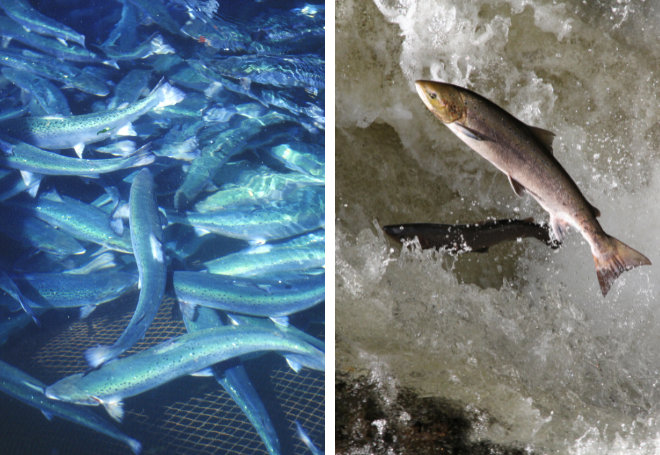
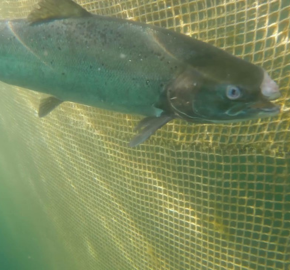
Image 02: Farmed salmon are bred for living in the confinement of densely stocked pens – they are not conditioned to survive in open water like wild Atlantic salmon.
2. Undeniably Unsustainable
Salmon farming needs feed. We’re draining overfished seas, and bulldozing rainforests for soy, to make feed for farmed salmon – in a process that’s extremely wasteful.
90% of the fish used in salmon feed could be used to feed people directly. And many of the places being trawled for fish to make fish feed are the seas that subsistence fishing communities rely on for their very survival.
And that’s before you think of the carbon footprint of all the energy needed, and the ‘cleaner fish’ used to try to reduce the lice living on salmon. These wrasse are collected from the wild and killed once they are no longer useful on the farm.
3. Terrible welfare
Because farmed salmon are packed into net cages, disease and lice build up to high levels. Lice lead to open sores and illness. So much so that a shocking 40% of fish on some farms die before they’re ready for market.

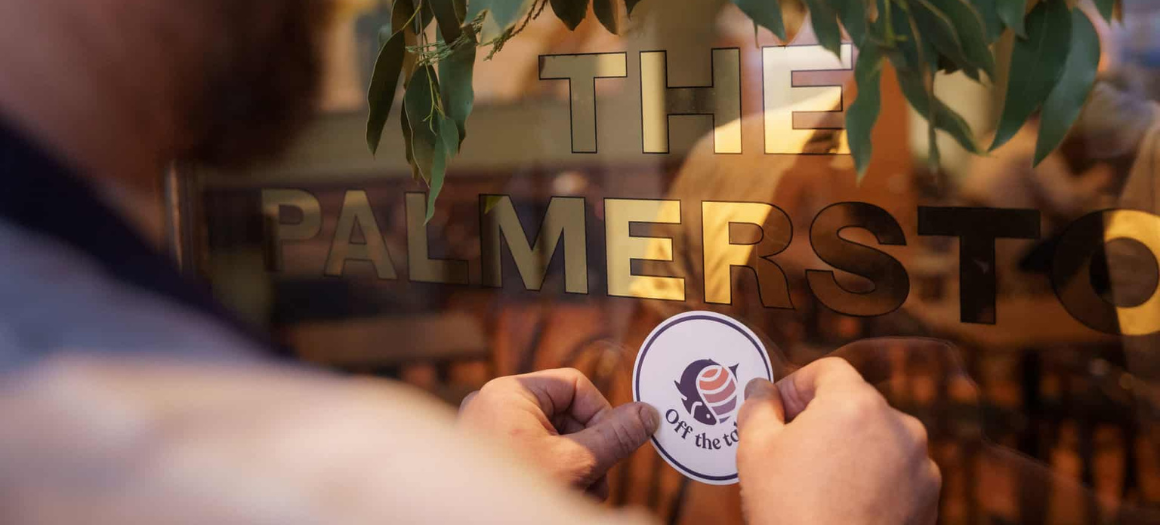
Image 03: Chefs like Lloyd Morse, founder of the Palmerston in Edinburgh, refuse to serve farmed salmon due to environmental, welfare and sustainability concerns.
You can help change this
This festive season let’s grow a movement that’ll send ripple effects across the industry – from chefs and restaurant suppliers to supermarkets and policy makers.
Join us in giving the gift of wild waters and say no to farmed salmon. Not even for Christmas.
Follow the link below to take the pledge.
TAKE THE PLEDGE
By: Sondhya Gupta
Off the table Campaign Manager