Water Pattern - Wildfish

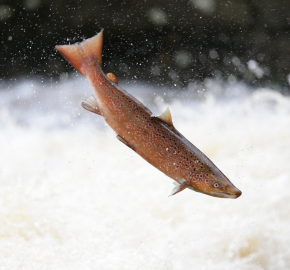
Since the 1970s, global populations of wild Atlantic salmon have declined from 8-10 million to just 3 million today.

Some of the causes, notably climate change, need to be tackled at a global, national and local level. Alongside this, of causes within our immediate control, industrial salmon farming, which has grown exponentially since the 1970s, is one of the most impactful.

Over the past two decades, numbers of wild salmon in Scotland’s rivers have declined by 70%.

Farmed Salmon: The Real Traitor

We’re calling on the BBC and Traitors production company Studio Lambert to show their support for Scotland’s wild salmon and stop serving farmed salmon at The Traitors breakfast table. Follow the link to sign the petition. It only takes 30 seconds.

Sign the petition

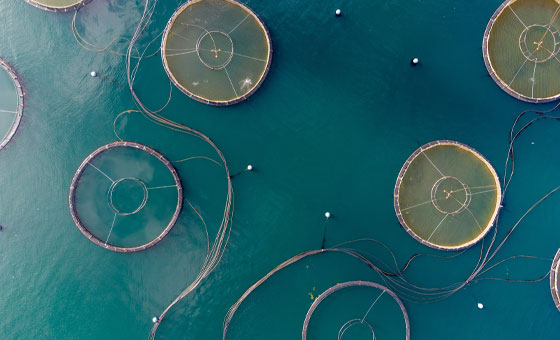
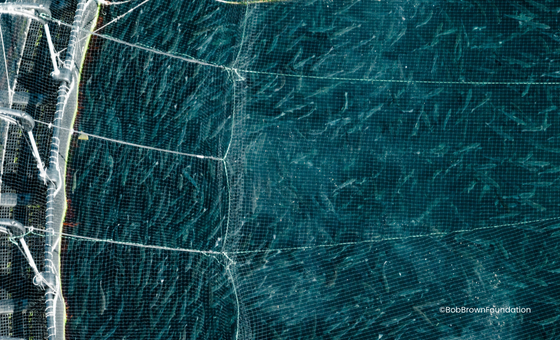
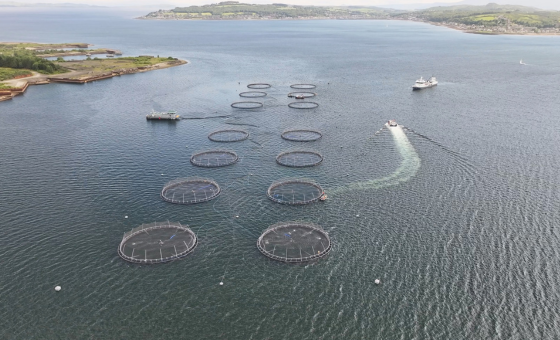
Open-net salmon farming is fundamentally unsustainable.

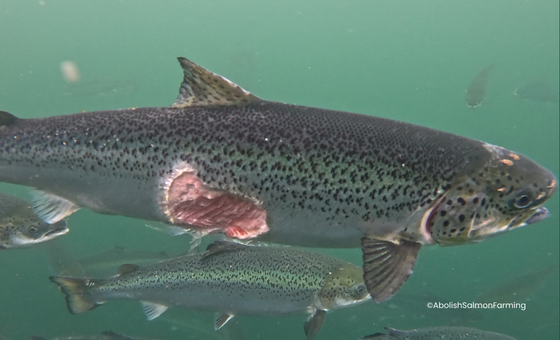
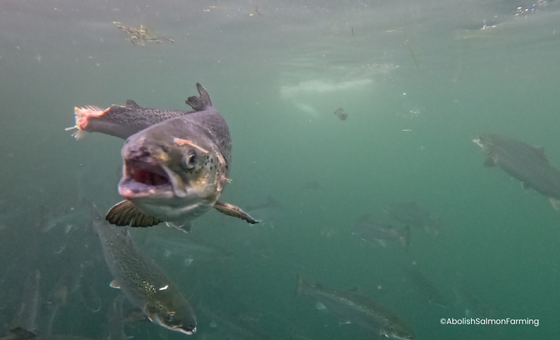
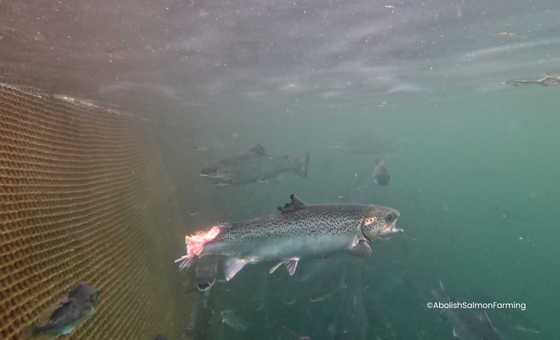
Poorly run and badly sited open-net salmon farms put wild salmon and sea trout at risk from parasites (notably sea lice) and diseases. Farmed fish that escape threaten the genetic integrity of wild salmon and further compromise their future survival.

Open-Net Salmon Farming - Wildfish

Join us and together, let's take farmed salmon Off the table.

Scottish farmed salmon has no place on a sustainable menu, be it in a restaurant, deli, fishmongers, or at home.

Find out more

Weekly Sea Lice Statistics

Published weekly, the sea lice statistics evidence salmon farms in breach of the Code of Good Practice and Scottish Government lice limits.

The Scottish Government can act against farms registering very high levels of sea lice. But the measures taken are worryingly inadequate.

The negative impacts of sea lice
Learn More
 

What can be done to protect wild fish?

All open-net salmon farms should be closed.

We campaign for the closure of all existing open-net farms. We also vigorously oppose any proposed expansion of existing farms or the establishment of new farms.

Open-net Salmon farms compromise the integrity of the marine and freshwater ecosystems of Scotland.

The Demise of Loch Maree 2016

The Loch Maree film is a powerful and graphic illustration of how a poorly sited salmon farm can have a devastating impact on what was previously a prolific and entirely sustainable wild fishery.
Only with your help will places like Loch Maree be filled with healthy wild fish once again.

Sea trout stocks in Loch Maree collapsed in 1988, one year after the start of salmon farming in Loch Ewe, the sea loch into which Loch Maree drains via the River Ewe.

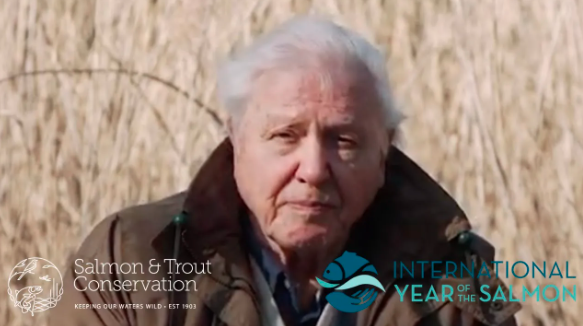
David Attenborough on the International Year of the Salmon

For the International Year of the Salmon, we asked Sir David Attenborough for his views on the need to protect the species.

We say that to save wild salmon, Governments across the Northern Hemisphere need to act now. The video gives a very clear message about this, if we are not going to lose ‘the King of Fish’ for ever.

For over two decades we have:

Campaigned to prevent and limit the harm caused by open-net salmon farming.

Called for much tighter regulation to protect wild fish.

Scottish Parliamentary inquiries demand fundamental change

In 2018, as a result of our petition in 2016, two all-party Scottish Parliament committees conducted a comprehensive inquiry into salmon farming. They highlighted the continuing negative impact of salmon farming in Scotland on the marine environment and on wild salmon and sea trout in particular.

RESULT: Unanimous agreement to recommend fundamental changes to the way the industry is regulated.

Scottish Government response: next to nothing

Since then, the Scottish Government has done very little to implement the recommendations of the inquiry.
In July 2021 it announced a “review” of the regulation of salmon farming. Disgracefully, a ‘review’ that is not scheduled to be concluded until the end of 2023. The first part of the review was published in December. Its recommendations, together with recent proposals from the Scottish Environmental Protection Agency to manage sea lice emissions from salmon farms, give very little cause for optimism that the severely negative impacts will be reined in.

The Scottish Government and its agencies are continuing to kick the can not only down the road, but also out of sight. Inaction is giving the industry yet more time to expand and increase the long-term threat to the environment and wild fish.

This is why our fight continues.

Related downloads

Project News

Stay up to date with the latest news from across our projects.

View all news

Why we are calling for farmed salmon to be banished from The Traitors breakfast table

BAFTA-winning The Traitors has quickly become a cultural phenomenon. Celebrity and civilian versions of the TV show fill the UK...
Read More

The invasion of UK rivers and the SmartRivers volunteers monitoring from the frontline

Invasive non-native species (INNS) are executing a hostile takeover of our rivers. They are arriving as stowaways in global car...
Read More

“Banish” Scottish salmon from ‘The Traitors’ breakfast table, WildFish urges BBC

With filming soon set to begin on the highly anticipated next series of The Traitors, we have written to the show’s production ...
Read More

Support Us

Support like yours allows our determined campaigning team to fight the destruction caused by open-net salmon farming, pollution and over-abstraction

Find out more

Find out about all the ways in which you can help wild fish…