The Office for Environmental Protection (OEP) has this month published reports on its investigation into the regulation of combined sewer overflows (CSOs) by Defra, the Environment Agency (EA) and Ofwat.
Beginning as a complaint by WildFish to the environmental watchdog, the investigation marks a significant outcome on the long road to tackle sewage and protect our rivers from discharges of raw sewage in anything other than exceptional circumstances.
Read on for a reminder of how we got here, and a deeper look at the OEP’s latest reports:
Back in 2023, WildFish took the secretary of state for the environment to court for publishing a soft-touch “Storm Overflows Discharge Reduction Plan” (SODRP) which set more lenient targets than the statutory scheme allowed and was therefore, unlawful (R (oao WildFish et al) v Secretary of State for the Environment, Food and Rural Affairs [2023] EWHC 2285 (Admin)).
The claim may have been dismissed at the Administrative Court, but this was mainly on the basis that the SODRP was effectively inert and did not offend the statutory duties for sewage treatment which had primacy over the SODRP. However, what was most interesting about the judgment was Lord Justice Holgate’s clear signal that the EA did not have to sit back and wait for Ofwat to sign off on investment by water companies to get them to comply with the law; it could use the permitting regime as a way of ending pollution. So, forget the plans: simply reviewing and strengthening permits could drive change.
Since then, there has been a panoply of complaints and consultations as well as an attempt by the present government to address sewage pollution through the Water (Special Measures) Bill. At the centre of the crisis – and indeed its solution – has been the obligation on the regulator to enforce against the water companies for breaches of duty to treat sewage effectively.
On the face of it, we have the necessary legislation to deal with the problem. In an ideal world, Ofwat, advised by the EA, would agree an economic and investment plan to take into account capacity and the cost of improvement and that this would entail that the water company worked to its obligations under the WIA – with the threat of enforcement by the secretary of state or for permit breaches by the EA.
But the number of pollution incidents caused by lack of capacity indicates that there is a gap between regulatory compliance and economic investment.
The OEP complaint
In June 2022, following a complaint by WildFish, the Office for Environmental Protection launched investigations into whether Defra, Ofwat and the EA were failing to comply with their statutory duties in relation to the regulation of the use of storm overflows by water and sewage companies. The OEP concluded that they have indeed failed to implement well-established laws which means sewage utilities have been allowed to continue polluting rivers without acting to update works and provide sufficient capacity.[1]
The OEP then sent the regulators and Defra a “decision notice setting out its findings and the steps that it considers should be taken to put matters right” and giving them 2 months to respond, though the OEP hinted that there had been “intense argument” with the responsible bodies but that there had also been “positive steps taken to address the issues identified”.
The “positive steps” included the production of the SODRP and the recent consultations from Defra. Other “positives” include the issuing of draft enforcement orders against three water companies by Ofwat.
The EA’s updated Storm Overflows Assessment Framework (SOAF), the EA Spill Frequency Threshold Permitting (SFTP) and the “Draft Information and Guidance on Storm Overflows” consultations duly opened in November 2024.
OEP reports on investigation into regulation of Combined Sewer Overflows
The OEP reports, published in December 2025, look at the regulation of combined sewer overflows (CSOs) as a part of its on-going investigation in the context of non-compliance with the laws governing sewage treatment.[2]
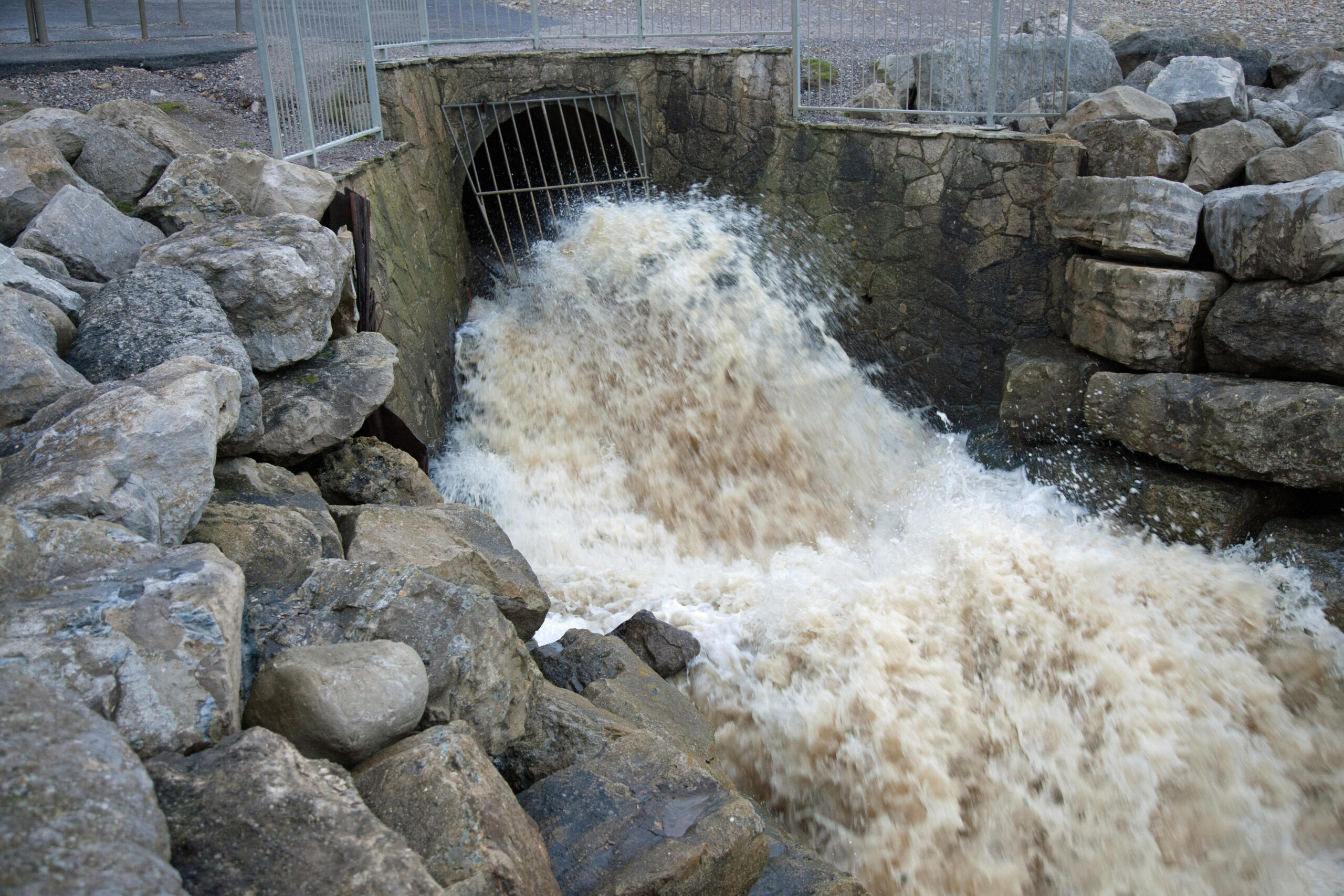
CSOs act as a valve to release untreated sewage and surface water when sewers are overwhelmed during heavy rainfall, in order to avoid sewage backing up into customers’ homes. But as we all know, they discharge sewage into rivers far more frequently than designed to do and without proper justification. It mostly comes down to the lack of capacity of sewage works and sewers to deal with the influx of sewage; the legacy of so many years of under investment.
As the OPE writes in its report, “frequent or prolonged discharges of untreated sewage pose significant environmental risks, such as damage to ecosystems, degradation of water quality, harm to biodiversity, and create risks for human health and recreation. Effective regulation is therefore essential to protect waterbodies and the communities that depend on them.”
The report on Defra makes three recommendations: establishing a process for monitoring progress in implementing the Storm Overflows Guidance; monitor the implementation of the SODRP requirements through Environment Agency permitting and that the Secretary of State should make sure that the Memorandum of Understanding (MoU) between Defra, EA and Ofwat is reviewed every year, taking into account any changes that take place following the Cunliffe review.
The EA must now update its Guidance to water companies for CSOs to make it consistent with the law; it should review the Storm Overflows Assessment Framework (SOAF 2025) every five years and must also deal with CSOs discharging outside of properly defined ‘exceptional circumstances’ where the get-out-of-jail exception to the duty to prevent pollution – “Best Technical Knowledge Not Entailing Excessive Costs” or “BTKNEEC”, is misapplied; it must use better data to regularly monitor CSOs; and it should “strengthen” its policing of the use of BTKNEEC assessments.
For Ofwat, given that it is to be abolished, the list of recommendations is short. The MoU must be reviewed as above and or revised in accordance with the outcome of the Water Commission recommendations and that, along with the EA, it “should establish a robust and transparent methodology for consistent data collection and reporting. This framework should enable clear tracking of progress for each CSO and provide structured summaries at each stage of the SOAF process. It must also support accurate reporting of BTKNEEC assessment outcomes, ensuring that data is both reliable and comparable across submissions.”
The reports effectively signal the end of the investigation phase in a long process that began with WildFish’s complaint to the OEP back in 2022, resulting in the publication of decision notices forcing the EA, Defra and OEP to comply with their duties. It represents, in the words of the OEP “a proportionate and transparent mechanism for accountability. The investigation has reinforced the need for coordinated action, with all three public authorities working together to deliver long lasting improvements and address the issues identified.”
However, it doesn’t all end completely as the OEP “will continue to monitor compliance through regular engagement with all three authorities, and through assessment of progress against statutory requirements and the commitments made in response to this investigation.”
List of references
1. OEP finds there have been failures to comply with environmental law in relation to regulatory oversight of untreated sewage discharges – via OEP website.
2. OEP publishes reports on investigation into regulation of Combined Sewer Overflows – via OEP website.
By: Justin Neal
Solicitor