

Water Pattern - Wildfish

The Campaign Explained

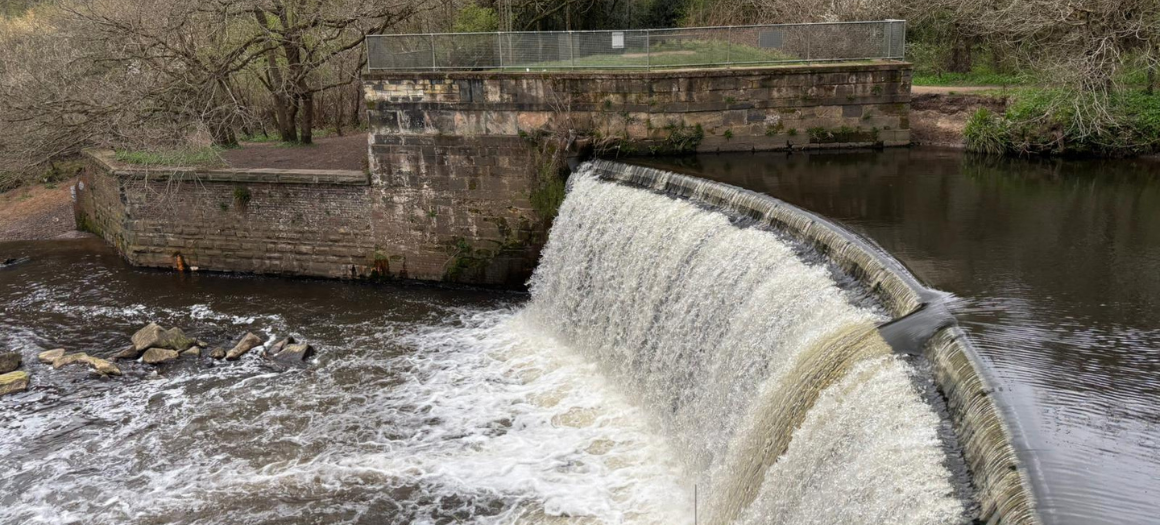
Rivers should be dynamic, connected systems that allow fish to move freely between the habitats they need to survive. Instead, most of our rivers are fragmented by thousands of artificial barriers including weirs, dams, culverts and other structures that interrupt natural flows and block fish movement.

Did you know that:

  • A staggering 97% of UK rivers are no longer connected.
  • Over 62,235 barriersincluding weirs and dams – block the natural flow of rivers in the UK, trapping wild fish and preventing them from moving freely.
  • There are an estimated 0.75 barriers per kilometre of river in the UK.
  • Only 1% of UK rivers remain completely free of artificial barriers.
  • Our data shows that over 70,000 river barriers have been identified in the UK, yet less than 1% have fish passage.

Follow the link below to subscribe and receive regular updates on this and our other work to protect wild fish.


SUBSCRIBE FOR REGULAR UPDATES
Reconnecting rivers will restore habitat connectivity from source to sea and improve wild fish populations.
Find out more

Fragmentation of our river systems by artifical barriers is one of the most significant pressures on wild fish populations today. Click the headings below to explore our campaign further.

The threat to wild fish from barriers

Of the 7 freshwater fish species at risk of extinction in the UK, barriers are explicitly mentioned as a driving factor in the decline of four species. Barriers are physical obstructions that fragment river networks and:

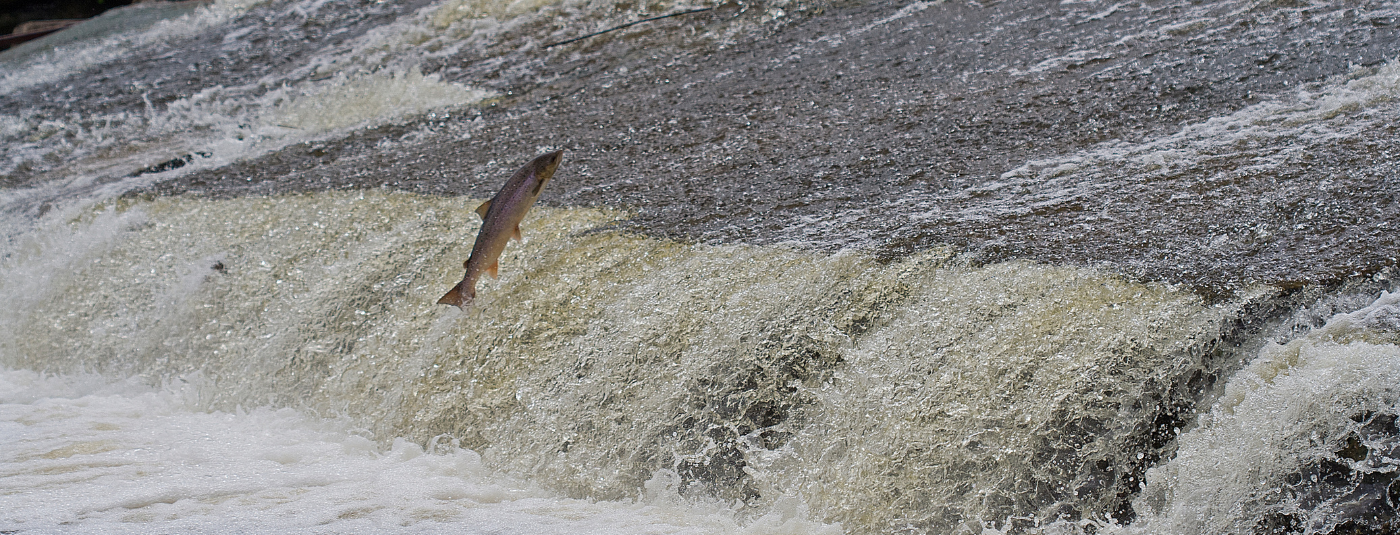
  1. Prevent the movement of wild fish, a particular problem for migratory species like Atlantic salmon, sea trout and European eels.
  2. Lead to isolated populations, reduced genetic diversity and increased vulnerability of local populations.
  3. Cause changes in natural flow conditions and act as sinks for pollutants by trapping them in sediments.
  4. Disrupt the natural sediment dynamic of river systems, increasing sedimentation upstream and nutrient depletion downstream.
  5. Influence water temperature which can lead to changes in the type and number of different species and result in higher rates of eutrophication.

The scale of the problem

WildFish have combined existing barrier datasets to create the most complete inventory of river barriers in the UK to date.

Over 70,000 river barriers were identified, the majority of which (87%) were artificial man-
made obstacles.

Overall, most barriers in the UK are small, with average heights under 1 meter, but fish passes are rare (less than 1% prevalence), indicating
significant obstacles to fish migration.

The solutions

When it comes to restoring rivers, the evidence is clear: barrier removal is the most effective solution. Removing redundant or obsolete structures restores natural flows, reconnects habitats from source to sea and delivers rapid, measurable ecological recovery.

We want to see:

  1. Barriers removed wherever possible: We need dedicated funding and a strategic plan for barrier removal- where the most ecologically damaging barriers are prioritised first.
  2. Fish Pass Regulations: Where removal is not possible, fish passage is essential. For this, we need the government to introduce the Fish Passage Regulations, which are designed to deal with historic barriers and have been in draft since 2009!


Wildfish -
Wildfish -

The Evidence

Our campaign is grounded in science and legal evidence. Click on the headings below to access the latest research.

Barriers Literature Review

Click here to read the latest research on the impacts of barriers.

Information Factsheet

Click here to download our barriers factsheet.

Support Us

Support like yours allows our determined campaigning team to fight the destruction caused by open-net salmon farming, pollution and over-abstraction

Find out more

Find out about all the ways in which you can help wild fish…