Responding to the Rural Affairs and Islands Committee’s conclusions on salmon farming regulation, WildFish said the Committee has delivered a clear and sobering assessment of a system that is failing both wild fish and the marine environment.
The Committee’s clear expression of disappointment at the pace of government action – and its recognition that significant environmental and welfare concerns remain unresolved – reflects what communities, scientists and campaigners have been warning for years.
The Committee’s letter, published on March 25th, includes:
“Overall, the Committee is disappointed that across key areas of its inquiry recommendations, progress in future-proofing the salmon farming industry has not occurred with the urgency called for one year ago.”
and
“The Committee also remains concerned by a lack of progress in implementing recommendations that seek to protect wild salmon populations from the risks posed by farmed salmon.”
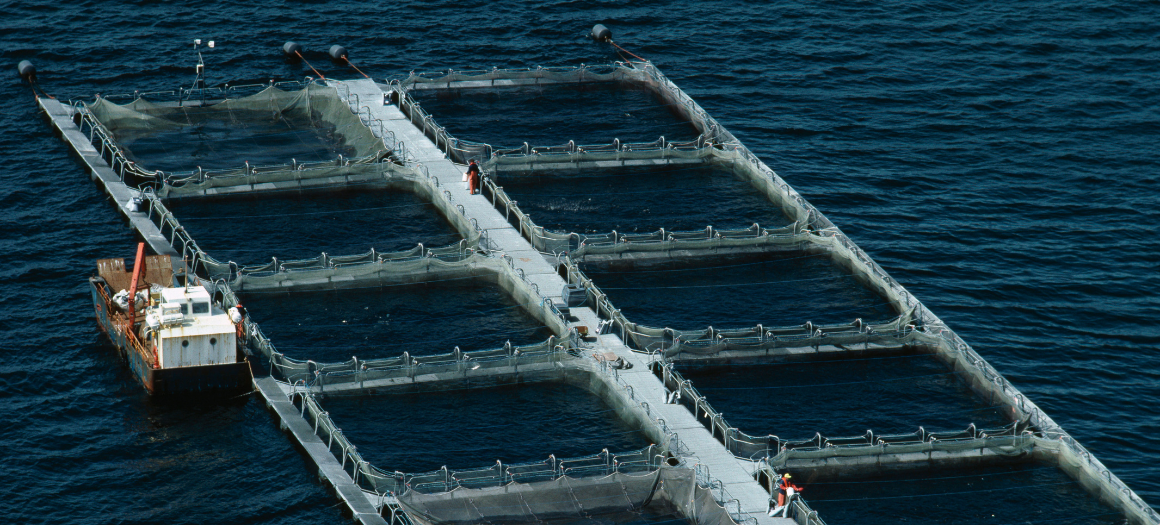
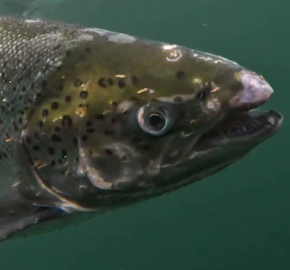
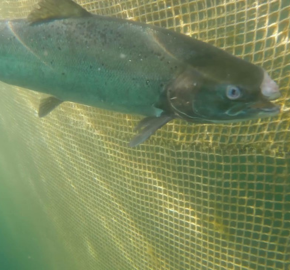
WildFish noted the continued impacts of salmon farming, including sea lice transmission, high mortality rates and wider ecological pressures. The Committee’s conclusions make clear that, despite the Cabinet Secretary’s assurances, meaningful reform has yet to be delivered.
Nick Underdown, Scotland Director at WildFish, said:
“This is a significant milestone. The Committee has practically confirmed that the regulatory system remains dysfunctional and ineffective. When a parliamentary committee acknowledges ongoing environmental harm, progress stalled in the courts and a lack of effective controls, the logical conclusion is hard to avoid: our planning authorities should not be allowing further expansion of salmon farming.
While the Committee stops short of explicitly calling for a moratorium, it has come very close to doing so in substance.”
WildFish said the Committee’s findings should now serve as a clear signal to the Scottish Government – and to the next Parliament following the upcoming election – that incremental change is no longer sufficient and that acting at a snail’s pace is simply unacceptable.
Nick Underdown added:
“The public is waking up and the message is clear – Scotland should not continue to approve new salmon farms. The next Scottish Parliament must take this forward with urgency. At a minimum, that means a halt on new developments. Longer term that will require planning a responsible transition away from salmon farming in Scotland’s coastal waters. In the meantime, we will continue to expose the industry’s shameful environmental record and campaign towards such a transition.”
WildFish is adamant that an immediate moratorium on new salmon farms and salmon farm expansions is required, followed by a managed transition to end open-net salmon farming and prioritise the recovery of Scotland’s wild salmon populations.