Invasive non-native species (INNS) are executing a hostile takeover of our rivers. They are arriving as stowaways in global cargo or being introduced deliberately as misguided choices for landscaping, pest control, and pets.
Freshwater environments operate on a strict energy budget, which is disrupted by the introduction of invasive species. Food, space, and shelter are finite resources that native species have evolved to share sustainably. Introduce an aggressive new player, and this delicate balance collapses. Some invaders remodel their environment entirely – rewiring nutrient cycles and changing the physical architecture of riverbanks, negatively impacting wild fish and other water-dependent wildlife.
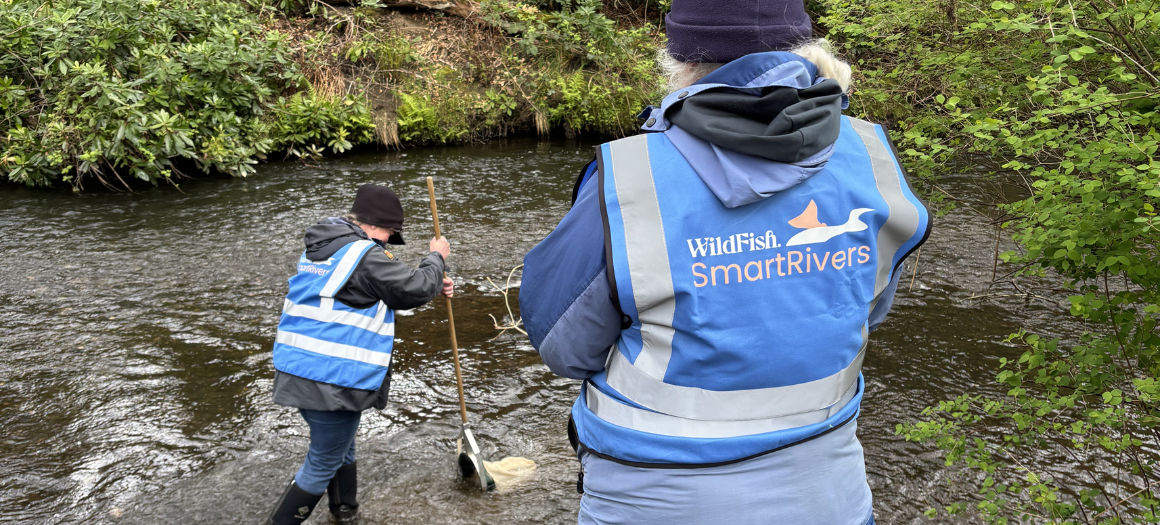
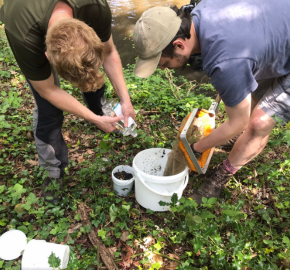
SmartRivers volunteers collect data that allows them to monitor the occurrence and spread of INNS in the rivers they sample. The information collected can be used to inform local conservation efforts and help reduce the impact of these disrupters on our rivers’ natural rhythm.
For native wildlife, it is a battle for survival against intense competition and alien dangers in a home they are no longer adapted to navigate. In this blog, SmartRivers project manager, Lauren Harley, reveals some of the UK INNS leading this invasion and examples of their ecological impact.
Zebra mussel
First recorded in the UK as far back as 1825, the zebra mussel (Dreissena polymorpha) is one of Britain’s longest-established freshwater invaders. Unlike most bivalves that live in sediment, zebra mussels actively anchor themselves to any solid surface they can find. Native unionid mussels make a particularly attractive target – their large, stable shells are prime real estate. The consequences are brutal: as well as shell deformation under the physical weight of their hitchhikers, native mussels find themselves starved out, as zebra mussels strip the surrounding water column of the phytoplankton both species depend on (Ożgo et al., 2020, Lindim, 2015).
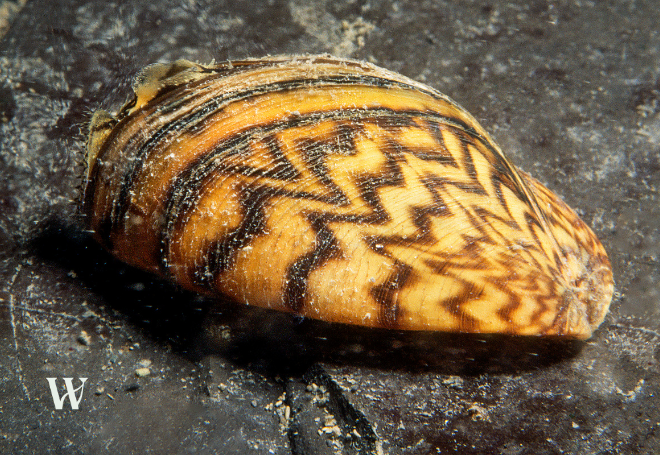
Image 01: The Zebra mussel, one of Britain’s longest-established freshwater invaders
Killer shrimp
Killer shrimp (Dikerogammarus villosus) were first discovered in the UK in 2010 and are considered among the most damaging invasive species in Europe. Their large body size, powerful mouthparts, flexible omnivory, wide ecophysiological tolerance, rapid growth, and high fecundity make them the ultimate killing machine. A study by Dick et al. (2002) noted the infliction of ‘bite’ injuries on multiple victims alongside those killed outright, illustrating an aggressive predatory behaviour that goes beyond feeding alone. Their killing is not limited to macroinvertebrates – they also impact early life stages of larger crustaceans, fish and amphibians, using their large mandibles to shred eggs and bite through the soft tissue of newly hatched larvae.
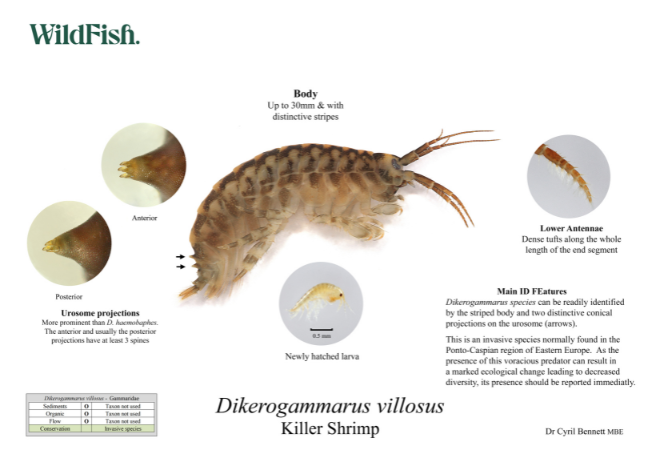
Image 02: The killer shrimp is among the most damaging of the invasive species in Europe.
Signal crayfish
Signal crayfish (Pacifastacus leniusculus) are widespread across England and Wales, following their introduction in the 1970s for aquaculture. They are greedy, opportunistic omnivores that act as underwater bulldozers, digging interlocking tunnels up to 2 meters deep. Sanders et al. (2021) measured a selection of riverbanks invaded with signal crayfish over a 22-month period. The results were stark – banks with high crayfish burrow densities eroded up to 253% faster than unburrowed banks, with more than double the area of bank collapse. At one site, burrowing and its associated erosion effects delivered an additional 25.4 tonnes of sediment per kilometre per year into the river. Changes to sediment dynamics matter particularly for species like salmonids that spawn in gravel beds, as eggs are more likely to be smothered.
Signal crayfish also carry a devastating biological weapon (a parasitic water mould) that is fatal for the UK’s endangered white-clawed crayfish (Austropotamobius pallipes). The mould grows thread-like structures that actively burrow through the soft parts of the crayfish’s protective exoskeleton, consuming the crayfish’s tissue and muscles from the inside out. Signal crayfish can trap and neutralise the mould threads using melanin in their shells, so are not affected (WOAH Aquatic Manual, 2024).
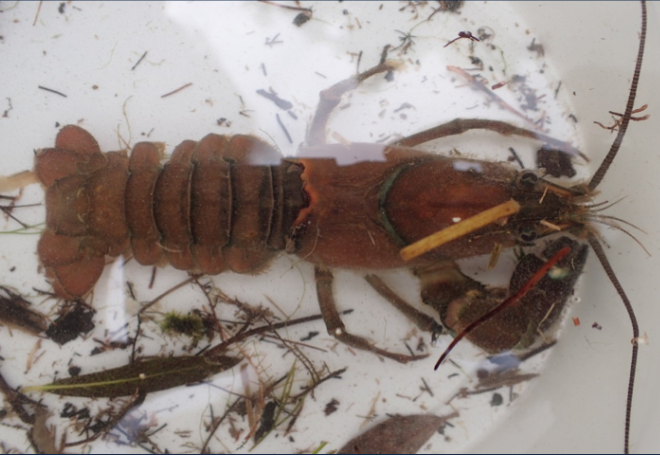
Image 03: Signal crayfish are widespread across England and Wales
Himalayan Balsam
Himalayan balsam (Impatiens glandulifera) arrived in Britain in 1839 as an ornamental garden plant. It did not stay in the garden! With no natural predators to keep it in check, it spread explosively along river corridors. Dense stands, reaching up to 2.5 meters high, suppress the growth of native plants. The balsam wages war underground by degrading soil fungal populations and reducing mycorrhizal colonisation. These changes disrupt the underground fungal networks that native species depend on to access nutrients that would otherwise be locked in the soil (Razak et al. 2023).
When winter comes and the balsam dies back, the riverbank is bare without the root structure and ground cover that native perennial plants would normally provide. Hardwick et al. (2026) measured riverbank strength at sites with and without Himalayan balsam over three years. They found that invaded riverbanks were around 30% weaker in winter than uninvaded banks.
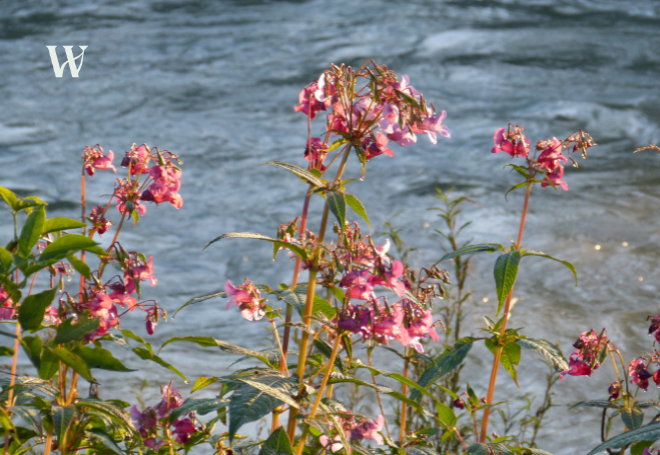
Image 04: Himalayan Balsam spreads rapidly along riverbanks and has no native UK predators
Preventing the spread of INNS
Sadly, eradication is a complex issue with no quick fixes. Our best lines of defence are:
1. Good biosecurity to prevent introductions and further spread
Some invasive species can live in damp waders for multiple days! Make sure you are following the Check, Clean, Dry protocol whenever interacting with your local river environment.
2. Fit for purpose monitoring
You can’t fight an enemy you can’t see. SmartRivers groups are our eyes on the riverbank. They do an incredible job of profiling aquatic invertebrate communities, so they can monitor invasive spread or flag any new arrivals. Consider signing up your local group today. Follow the link below to find out more!
find out more
List of References
Ożgo et al. (2020) – Ecology and Evolution – https://onlinelibrary.wiley.com/doi/abs/10.1002/ece3.6243
Lindim (2015) – Ecological Modelling – https://www.sciencedirect.com/science/article/abs/pii/S0304380015000241
Dick et al. (2002): https://cdnsciencepub.com/doi/10.1139/f02-074
Sanders et al. (2021) – Earth Surface Processes and Landforms – https://onlinelibrary.wiley.com/doi/pdf/10.1002/esp.5070
WOAH Aquatic Manual (2024) https://www.woah.org/fileadmin/Home/eng/Health_standards/aahm/current/2.2.02._Aphanomyces_astaci.pdf
Razak et al. (2023) – Plants – https://pmc.ncbi.nlm.nih.gov/articles/PMC10096542/
Hardwick et al. (2026) – Biological Invasions – https://link.springer.com/article/10.1007/s10530-025-03721-2
By: Lauren Harley
SmartRivers Project Manager





Thank you for this excellent and alarming article on the invasion of UK rivers by non-native species and the vital work of SmartRivers volunteers! It’s eye-opening to learn how species like signal crayfish (with their bank-eroding burrows and crayfish plague), killer shrimp, zebra mussels, and Himalayan balsam are disrupting entire ecosystems and threatening native fish and wildlife.
I live near a river in the UK and have noticed Himalayan balsam spreading along the banks. One question: For ordinary river users and anglers (beyond the Check, Clean, Dry protocol), what are the most practical things we can do to support SmartRivers monitoring efforts or help slow the spread of these invasives in our local catchments?
This is such important work — thank you to Lauren Harley and all the SmartRivers volunteers on the frontline. Keep fighting the good fight for our rivers! 🌊🐟Refrence:https://bugofflincoln.net/
Beyond practising good biosecurity, recording the spread of invasive species is a great way to help. Some invasive species, like Himalayan balsam, are easy to spot by eye and can be documented on INNSmapper (https://innsmapper.org/home). Other species require higher-resolution monitoring and identification, which SmartRivers monitoring provides. If you’re part of a local group interested in fully profiling aquatic invertebrate species, it’s worth thinking about establishing a SmartRivers group – you can contact our SmartRivers team via smartrivers@wildfish.org