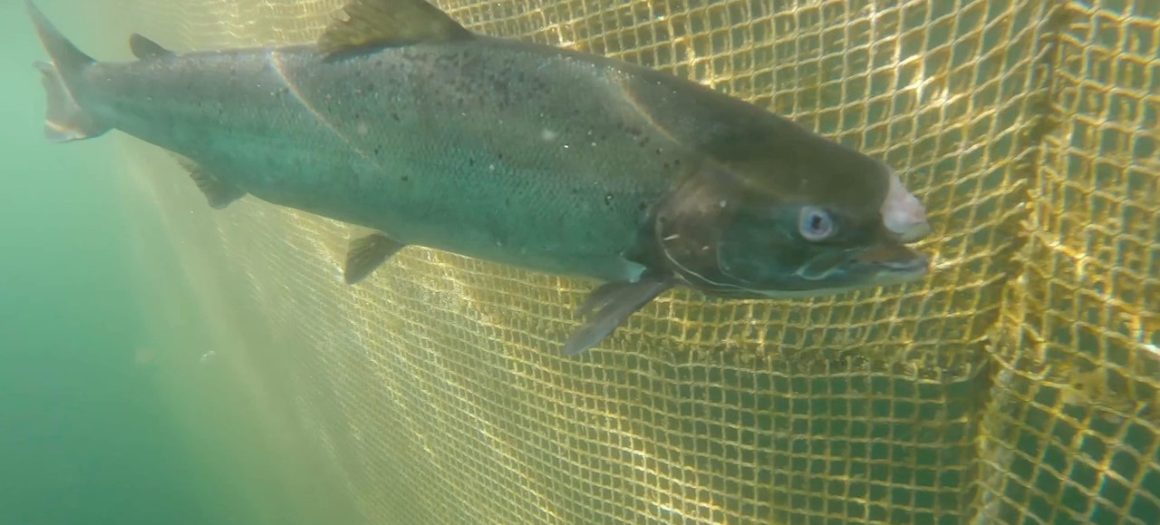
Some activities are just wrong. One of them is the Soil Association’s certification of some farmed salmon as organic. Something it has been doing now for 20 years.
The Soil Association is carrying out a much-delayed review of its UK organic salmon standards. It is now due to hold a “witness session” with industry figures and campaigners later this month, before announcing a final decision in October. If the Soil Association insists on seeking to certify the industrial farming of salmon as organic it should immediately ban the use of inorganic chemicals and cleaner fish and provide total transparency over its certification process. However, we can probably expect a lot of weasel words about working with the industry to improve practices and little real progress.
It is difficult to imagine a product more at odds with the Soil Association’s guiding certification principles which ban inorganic chemicals, support animal welfare and sustainability, seek to minimise environmental impacts and embrace transparency[1]. But the truth is that whatever safeguards are applied to the commercial farming of salmon in open pens in sensitive lochs, they will inevitably lead to environmental harm from escapes, sea-lice, diseases and pollution.
What standards?
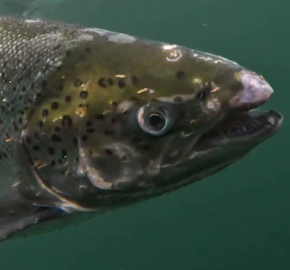
The Soil Association’s current salmon standards allow the use of deltamethrin, an inorganic parasiticide highly toxic to fish and aquatic life. The welfare of organically certified salmon, measured by mortalities, shows little difference from uncertified farmed salmon[2]. The feed relies on the, often poorly regulated, harvest of wild fish populations[3]. And environmental impacts measured by sea lice, escapes or the abhorrent use of cleaner fish (wrasse and lump fish which are put to work to pick sea lice off salmon and then killed when the salmon are harvested) are unacceptable in an organic product[4]. Finally, there is very little transparency over the certification process.
When ‘transparent’ doesn’t mean available
Transparency is critical: if an organisation is making environmental claims about a product, they must be open to public scrutiny.
WildFish sought to require Soil Association Certification (SAC), the subsidiary which carries out the work, to disclose its inspection reports so we can all see exactly how these organic farms measure up in practice, how non-compliance is dealt with, and whether certification is delivering what the public are being led to expect. The SAC refused our request.
We won the battle for information twice: first with the Information Commissioner and then, after SAC appealed the decision, in the First Tribunal. SAC have asked for permission to appeal that decision, thus so much for transparency.
In a recent article entitled Why we are reviewing organic salmon – and what happens next, the Soil Association’s CEO wrote of their review: “… [we] will continue to engage openly and honestly about the challenges and the opportunities facing organic salmon”.
If the Soil Association and SAC are serious about this, they will immediately release the inspection reports we have requested and, if they lack the courage to stop certifying, revise their standards to:
- ban the use of chemicals, full stop (not just seeking to keep them out of the marine environment)
- require much stricter thresholds for sea lice
- stop the use of cleaner fish.
It is worth noting that the salmon farmers are currently challenging in the courts the attempt of the Scottish Environmental Protection Agency to impose the flimsiest of sea-lice regulations.
The salmon farmers should meet the rules, not the rules be adapted to suit the salmon farmers.
Anything less is giving cover to salmon farming’s environmentally disastrous impacts and misleading the consumer. It is time for the Soil Association to act with the same integrity they demonstrate in land-based certification.
The Soil Association claims:
“We work with integrity and dedication to deliver trusted solutions with nature, for people and planet”.
For the sake of wild salmon and other vulnerable fish, please show us you mean it.
List of references