Freshwater is one of the most biodiverse habitats on earth. Rivers, lakes and wetlands cover less than 1% of the Earth’s surface, yet they hold almost over a quarter of all vertebrate species (Carrizo et al., 2013). More than half (51%) of the world’s fish live in freshwater, around 18,000 species in total, with new ones still being discovered (WWF, 2025).
Freshwater fish have been entwined with humans for thousands of years, with salmon painted onto cave walls 25,000 years ago in prehistoric France. Today, they feed hundreds of millions of people, support 60 million livelihoods and drive a recreational fishing industry worth over 100 billion USD each year (WWF, 2025). But one quarter of all freshwater species are now threatened with extinction (Sayer et al., 2025). More than eighty have already been lost.
In this blog, campaigns researcher, Danny Nixon, dives into our native fish population and asks: what’s driving the decline?
Diverse but vulnerable
Here in the UK, our rivers and lakes hold a remarkable diversity of native fish, from migratory Atlantic salmon to ancient Arctic charr that have survived since the last Ice Age. Sadly, Yet many of these species are now on the edge of extinction.
A recent assessment using the International Union for the Conservation of Nature (IUCN) Red List criteria provided the first clear picture of the state of Britain’s most vulnerable native freshwater fish (Nunn et al., 2023).
Currently seven species are officially classed as threatened with extinction in the UK (Nunn et al., 2023) including:
- European eel
- Allis shad
- Twaite shad
- Vendace
- European whitefish
- Atlantic salmon
- Arctic char
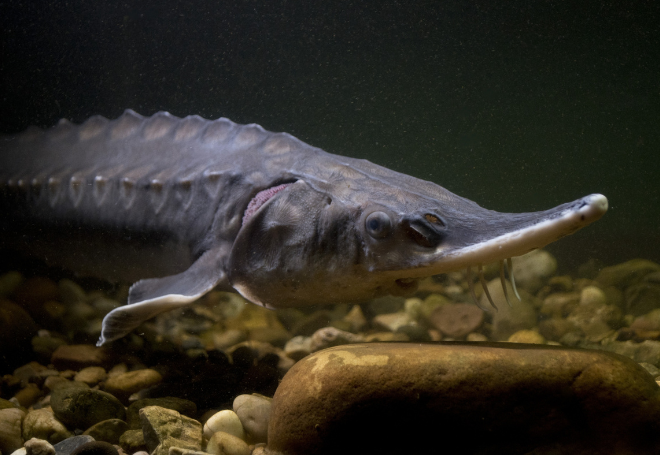
Image 01: The Atlantic sturgeon, once common in UK waters, is now thought to be locally extinct in the UK.
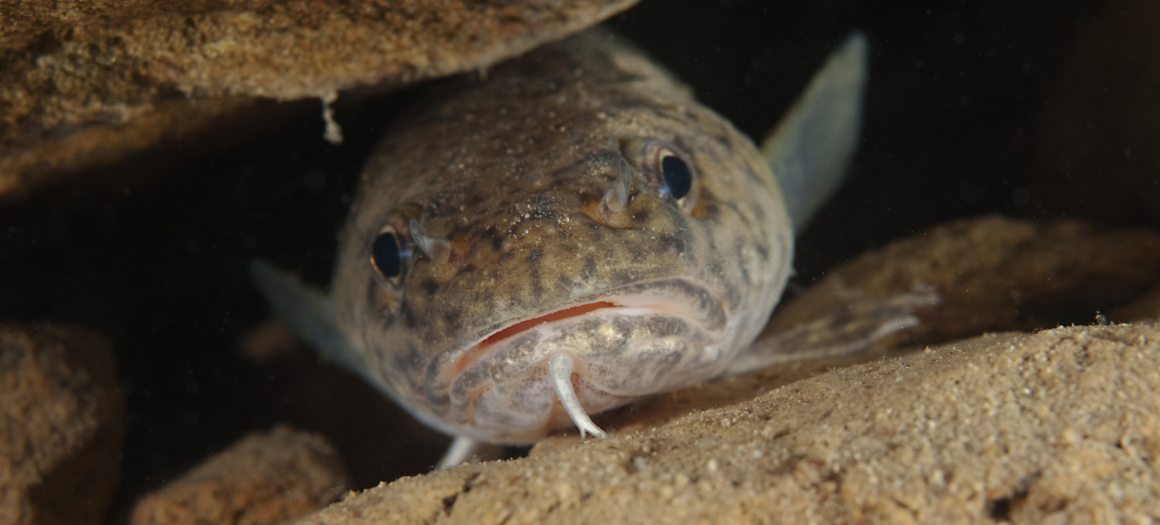
That’s not to mention the species of fish that have already been lost from the UK. Burbot (Lota lota) was last seen in the 1960s, and Atlantic (Acipenser oxyrinchus oxyrinchus) and European (Acipenser sturio) sturgeon haven’t been found in our rivers since the early 90’s (Steinhoff, 2024; Worthington et al., 2010).
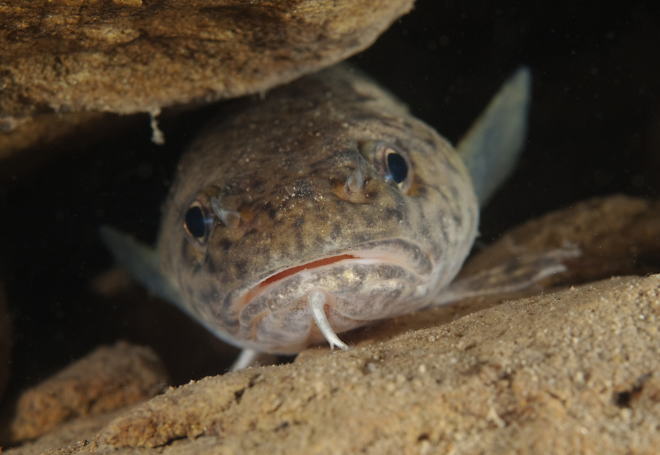
Image 02: No burbot has been caught in UK rivers since 1970 at the latest, although plans are in development for a potential future reintroduction into Norfolk rivers.
Together, they tell the story of British rivers under pressure and a system struggling to sustain its wildlife.
The principle causes of decline
The causes of decline are well known. Habitat loss, pollution, water abstraction, invasive species and climate change all play a part.
1. Weirs, dams and other man-made barriers stop fish from reaching spawning grounds.
2. Pollution from sewage, agriculture and industry degrades water quality poisoning the water they breathe and impacting food chains.
3. Nutrients, sediment and chemicals all harm fish and smother habitats.
4. Invasive non-native species outcompete native fish and bring disease.
5. Rivers are being drained to meet human demand, leaving too little water to sustain life.
6. Climate change is warming rivers, reducing oxygen levels and shifting seasonal flows (Arthington et al., 2016; Miranda et al., 2022).
These threats often act together. A river that is polluted, fragmented and low in flow gives fish little chance to recover (Nunn et al., 2023). For species that are isolated in fragmented populations, even small changes can push them closer to extinction.
The seven UK fish species most at risk
Critically Endangered: the highest risk category assigned by the IUCN Red List for species facing an extremely high risk of extinction in the wild.
1. European Eel (Anguilla anguilla)
The European eel has suffered one of the most dramatic declines of any fish in recent history. Its population has fallen by more than 80% in four decades (Franch et al., 2025).
Eels are affected by many pressures. Barriers block their migration routes between rivers and the sea. Changes in ocean currents caused by climate change are disrupting the long journeys eels make to the Sargasso Sea to spawn. Mortality from turbines, fishing, disease and pollution further adds to the problem (Jacoby et al., 2015).
Once common across Europe, the species is now listed as Critically Endangered. Without action to restore river connectivity and reduce exploitation, it could vanish from UK rivers entirely. There is no possibility of a rescue effect as species classified as Critically Endangered at global level cannot rescue regional populations in the event of their extinction (Nunn et al., 2023).
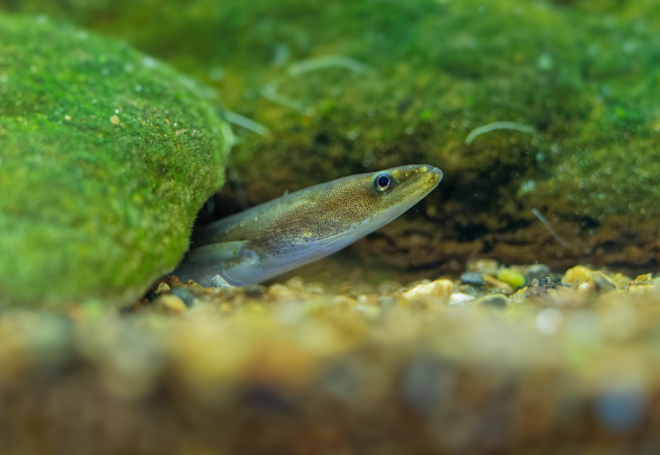
Image 03: Once common across Europe, the European eel is now listed as Critically Endangered
2. Allis shad (Alosa alosa)
Allis shad were once widespread in British rivers but have declined to a single known spawning site in the River Tamar (Hillman, 2020). Historically, they spawned in the Severn and other large rivers, but barriers and pollution have reduced their numbers to potentially fewer than 250 mature individuals (Nunn et al., 2023).
All remaining adults are part of one vulnerable population. Gravel extraction from their spawning site could eliminate the species in just one generation (Negro et al., 2025; OSPAR, 2022). With no evidence of recolonisation from Europe, allis shad are classed as Critically Endangered in Britain.
It’s considered unlikely that enough fish would ever move in from elsewhere to rescue the British allis shad population if it were to disappear. There’s no confirmed evidence of Tamar allis shad colonising other rivers, so we can’t rely on natural straying to rebuild numbers. There may be some spawning in Wales, but if it’s happening at all, it’s likely in very small numbers and hybridisation with the far more common twaite shad, means the species may already be functionally extinct (Nunn et al., 2023).
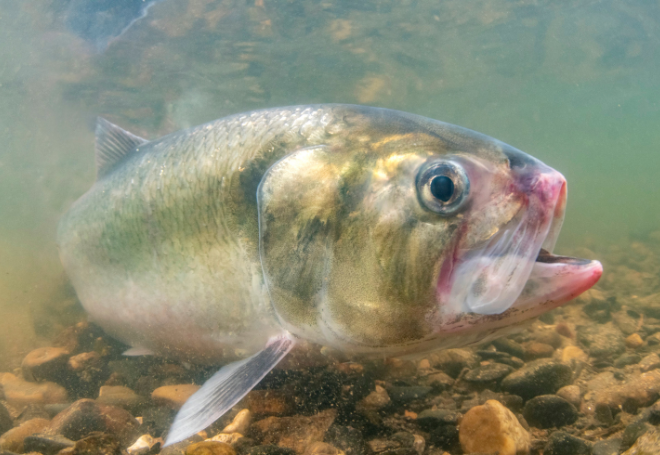
Image 04: Allis shad have declined to a single known spawning site
Endangered: the second most severe conservation status from ICUN for species that are facing a very high risk of extinction in the wild.
3. Atlantic salmon (Salmo salar)
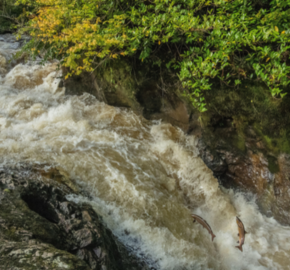
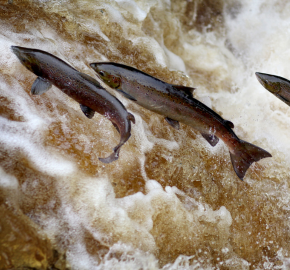
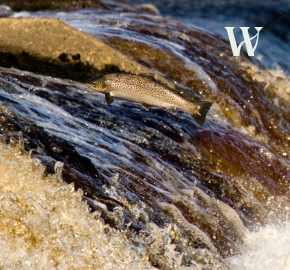
Atlantic salmon are one of the most iconic fish in British rivers, yet they are declining rapidly. Over the last three generations, their abundance has dropped by around 63% (April et al., 2021).
The causes are multiple. Habitat loss, pollution, climate change, predation, overexploitation, invasive species and poor survival at sea are all taking a toll. Barriers restrict access to spawning grounds and affect juvenile survival. Atlantic salmon have suffered catastrophic declines in abundance over the last century in the UK, particularly since 2010 (Dadswell et al., 2022).
At WildFish, we are also highly concerned about the impact of the open-net salmon farming industry on our remaining wild stocks. High concentrations of farmed salmon create ideal conditions for populations of parasitic sea lice to explode, increasing risks to wild populations that inhabit the same waters. Additionally, mass escapes from these farms can also cause irreversible damage to the genetic integrity of the species- as the farmed fish enter our rivers and breed with the wild populations.
Salmon do still occur across Britain, particularly in Scotland, Wales and parts of northern and south-west England, but numbers are at record lows. The species is now listed as endangered in the UK. Although the species is anadromous and straying does occur, it is unlikely that sufficient individuals would immigrate from outside to rescue the British population in the event of its extinction, given that the species is also declining in neighbouring European regions (Nunn et al., 2023).
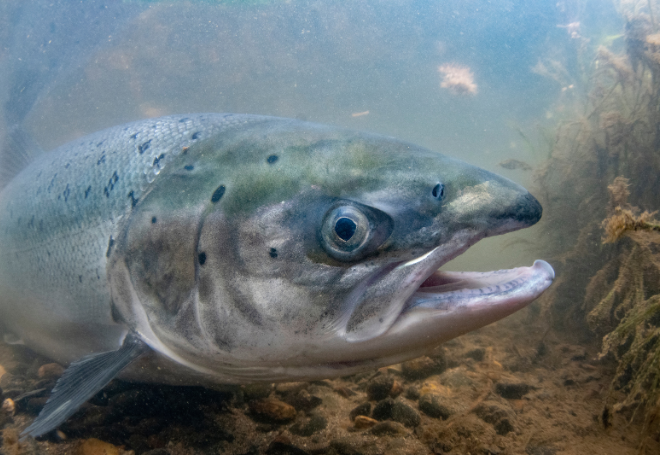
Image 05: One of Britain’s most iconic fish, the Atlantic salmon is declining rapidly
4. Vendace (Coregonus albula)
The vendace is Britain’s rarest native freshwater fish. It now survives naturally only in Derwent Water and Bassenthwaite Lake in the Lake District. For many years it was thought the Bassenthwaite population had been lost, as none were found between 2001-2013. But small numbers have been detected again, possibly remnants that survived undetected, or having travelled downstream from Derwent Water.
Scottish populations disappeared decades ago. The last native Scottish vendace were reported at Castle Loch in the 1910s and Mill Loch in the 1970s, with eutrophication and the introduction of non-native fish species identified as the driving forces for their extinction (Winfield et al., 2012).
Attempts have been made to establish refuge populations at one site in England (Sprinkling Tarn) and five in Scotland (Doune North Pond, Loch Earn, Loch Skeen/Skene, Loch Valley and Daer Reservoir) (Lyle et al., 2019). Recent surveys at Loch Skeen have been promising, showing the population has been steadily growing and its long-term survival is viable there – if not for the increasing pressures of climate change.
Because of its tiny range and sensitivity to climate change, vendace is listed as Endangered in Britain and Critically Endangered in England (Nunn et al., 2023). Warming water and poor water quality are the main threats, and there is no possibility of a rescue effect in the event of the British population’s extinction.
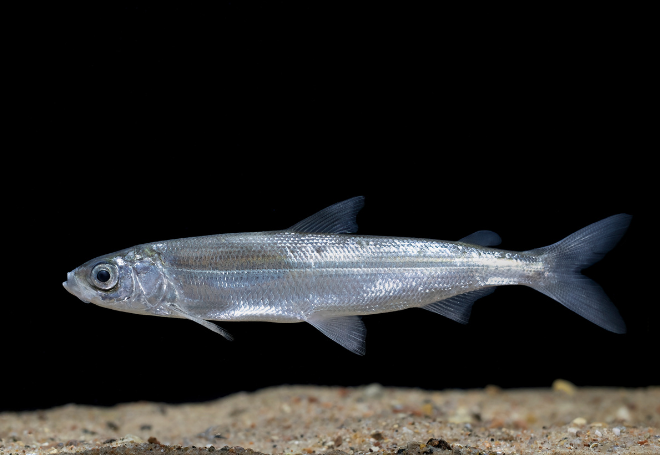
Image 06: Britain’s rarest native freshwater fish, the vendace.
5. European whitefish (Coregonus lavaretus)
The European whitefish, a salmonid also known as powan in Scotland or gwyniad in Wales, is found naturally in just a few lakes. These include Ullswater, Haweswater, Brotherswater and Red Tarn in England, Loch Lomond and Loch Eck in Scotland, and Llyn Tegid in Wales (Winfield et al., 2013).
Additional populations have been introduced to several other lakes to safeguard the species. Despite this, its range remains small and its future uncertain. Climate change, affecting water temperature and oxygen levels, poses a serious threat.
The European whitefish is listed as Endangered in Britain. Like the vendace, it depends on cool, deep, well-oxygenated lakes that are increasingly at risk. In England and Wales, they are listed as Critically Endangered.
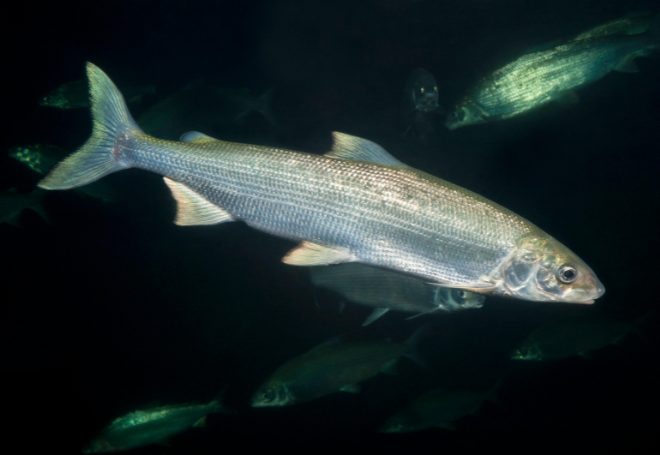
Image 07: now endangered in Britain, the European whitefish depends on cool, deep, well-oxygenated lakes that are increasingly at risk.
Vulnerable: the third most severe ICUN classification – when the best available evidence indicates a species is facing a high risk of extinction in the wild.
6. Arctic char (Salvelinus alpinus)
Arctic char are relics of the last Ice Age and some of the oldest fish lineages in Britain. They live in deep, cold lakes and reservoirs, mostly in Scotland but also in parts of England and Wales. There are at least 197 confirmed populations (Maitland & Adams, 2018).
Being at the southern limit of their global range, they are especially vulnerable to rising temperatures. Warmer waters reduce available habitat and disrupt breeding periods. Climate change has been identified as the main threat facing these fish (Winfield et al., 2010)
Across Britain, Arctic char populations have declined by around 44% over three generations (Nunn et al., 2023). Some are supported by stocking, but most are still in decline. The species is classed as Vulnerable nationally and Endangered in England and Wales.
Without cooler, cleaner and better-protected lakes, many of these ancient populations could be lost. Although anadromous Arctic char occur elsewhere, those in Britain inhabit isolated lakes and reservoirs, and it is considered unlikely that sufficient individuals would immigrate from outside of the region to rescue the population in the event of its extinction. Especially if ocean temperatures continue to rise.
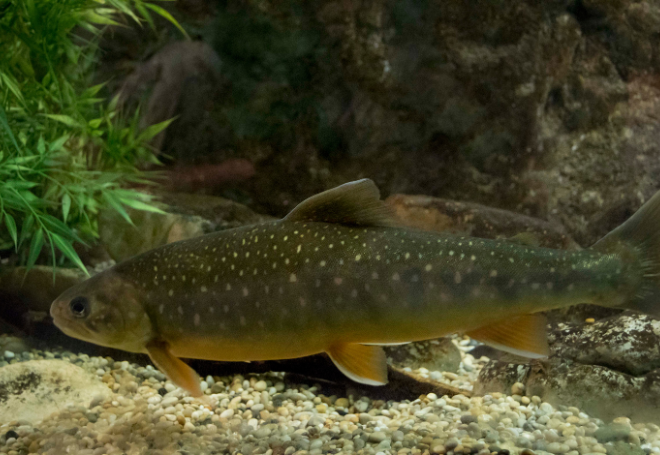
Image 08: Arctic char are relics of the ice age and some of the oldest fish in Britain
7. Twaite shad (Alosa fallax)
Twaite shad once migrated upstream in many British rivers but now spawn only in the Severn, Wye, Usk and Tywi catchments. The main threats are migration barriers, which delay or prevent fish from reaching spawning sites and pollution (Aprahamian et al., 1998).
Recent tracking studies show that these barriers also affect their journey downstream. After spawning, adults are exhausted and delays caused by weirs increase energy loss and the risk of predation. Downstream passage delays at weirs increased emigration times by a median of 61%, with other environmental conditions such as temperature and flow having comparatively little impact on migration (Yeldham et al., 2024).
Over the past three generations, twaite shad numbers have fallen by more than 40% (Nunn et al., 2023). The species is classed as Vulnerable in Britain and Endangered in England. Without improvements to river connectivity, their decline will continue. It is considered unlikely that sufficient individuals would immigrate from outside of Britain to rescue the native population in the event of its extinction, as studies have suggested that straying rates are very low (Nunn et al., 2023).
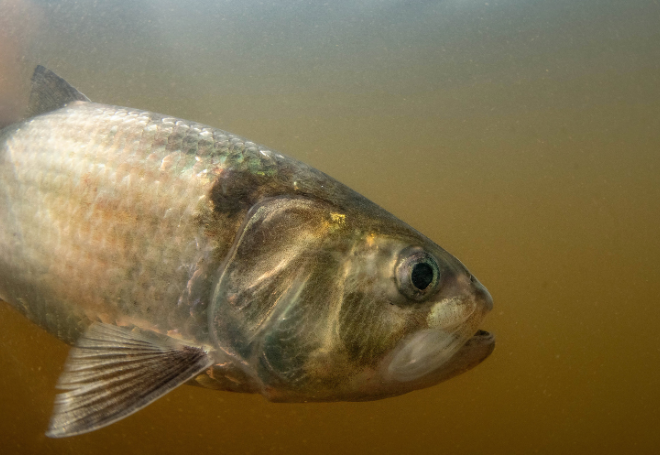
Image 09: the main threat facing twaite shad is migration barriers that delay or prevent the fish reaching spawning sites, as well as pollution
The impact of decline
The story told by these seven species is the story of Britain’s rivers. Many are fragmented by barriers, polluted by sewage and runoff, and drained to serve unsustainable demands. Fish that once migrated freely from estuary to headwater are now blocked or forced to spawn in poor-quality habitats.
The study of the IUCN assessment criteria which identified these species as threatened was the first of its kind in Britain (Nunn et al., 2023). Until now, most of these fish had not been formally assessed, meaning they were often overlooked in policy, legislation and funding.
Recognising their risk is a vital first step, but the challenge now is to act on it.
Reversing the decline
Every one of these species depends on the same thing: clean, connected rivers with healthy flows. Protecting them means tackling the root causes of decline.
Barriers must be removed or modified so fish can move freely. Pollution from agriculture, sewage and industry needs to be reduced. Water abstraction must be brought under control, so rivers have enough flow to function. And we must address the growing impacts of climate change on river temperature and flow. While climate change is an existential threat to our freshwater habitats, if we can reduce our impact and improve their condition, we can help to increase their resilience to these longer term changes.
Habitat restoration and reconnection projects are already showing what can be achieved. When water quality improves and rivers are reconnected, fish return quickly (Carr, 2025). Recovery is possible, but it depends on long-term commitment and coordinated action.
List of references:
Aprahamian, M. W., Lester, S. M., & Aprahamian, C. D. (1998). Shad conservation in England and Wales. Environment Agency.
April, J., Bardarson, H., Ahlbeck-Bergendahl, I., Bolstad, G. H., Breau, C., Buoro, M., Camara, K., Chaput, G., Cooper, A., & Dauphin, G. (2021). Ices. 2021. Working group on north atlantic salmon (wgnas).
Arthington, A. H., Dulvy, N. K., Gladstone, W., & Winfield, I. J. (2016). Fish conservation in freshwater and marine realms: Status, threats and management. Aquatic Conservation: Marine and Freshwater Ecosystems, 26(5), 838–857.
Carr, B. (2025, November 13). Atlantic salmon in stretch of Derbyshire river ‘extraordinary’. BBC News. https://www.bbc.co.uk/news/articles/c5y9z19xxnno
Carrizo, S. F., Smith, K. G., & Darwall, W. R. T. (2013). Progress towards a global assessment of the status of freshwater fishes (P isces) for the IUCN R ed L ist: Application to conservation programmes in zoos and aquariums. International Zoo Yearbook, 47(1), 46–64.
Dadswell, M., Spares, A., Reader, J., McLean, M., McDermott, T., Samways, K., & Lilly, J. (2022). The decline and impending collapse of the Atlantic Salmon (Salmo salar) population in the North Atlantic Ocean: A review of possible causes. Reviews in Fisheries Science & Aquaculture, 30(2), 215–258.
Franch, N., Capdevila, P., Fanlo, H., Queral, J. M., & Clavero, M. (2025). Recent Eel Decline in a Large Mediterranean Wetland. Aquatic Conservation: Marine and Freshwater Ecosystems, 35(1), e70046. https://doi.org/10.1002/aqc.70046
Hillman, R. J. (2020). Habitat Mapping and Monitoring of Allis Shad on the River Tamar. Natural England.
Jacoby, D. M., Casselman, J. M., Crook, V., DeLucia, M.-B., Ahn, H., Kaifu, K., Kurwie, T., Sasal, P., Silfvergrip, A. M., & Smith, K. G. (2015). Synergistic patterns of threat and the challenges facing global anguillid eel conservation. Global Ecology and Conservation, 4, 321–333.
Lyle, A. A., Bean, C. W., Honkanen, H. M., Koene, J. P., & Adams, C. E. (2019). The establishment of Scotland’s rarest freshwater fish, the vendace (Coregonus albula), in conservation refuge sites. Glasgow Naturalist, 27(1).
Maitland, P. S., & Adams, C. E. (2018). Arctic charr in the lochs of Scotland: An assessment of distribution and status. Fast-Print Publishing.
Miranda, R., Miqueleiz, I., Darwall, W., Sayer, C., Dulvy, N. K., Carpenter, K. E., Polidoro, B., Dewhurst-Richman, N., Pollock, C., & Hilton-Taylor, C. (2022). Monitoring extinction risk and threats of the world’s fishes based on the Sampled Red List Index. Reviews in Fish Biology and Fisheries, 32(3), 975–991.
Negro, G., Lesa, D., Bertoli, M., Guglielmetto, A., Pinna, B., Forte, S., Spadavecchia, C., Maschio, P., Pizzul, E., & Vezza, P. (2025). Mesohabitat Spawning Preference of the Anadromous Twaite Shad (Alosa fallax, Lacépède 1803) in the Tagliamento River (Italy). Ecohydrology, 18(1), e70010. https://doi.org/10.1002/eco.70010
Nunn, A. D., Ainsworth, R. F., Walton, S., Bean, C. W., Hatton-Ellis, T. W., Brown, A., Evans, R., Atterborne, A., Ottewell, D., & Noble, R. A. A. (2023). Extinction risks and threats facing the freshwater fishes of Britain. Aquatic Conservation: Marine and Freshwater Ecosystems, 33(12), 1460–1476. https://doi.org/10.1002/aqc.4014
OSPAR. (2022). Status Assessment 2022—Allis shad. Convention for the Protection of the Marine Environment of the North-East Atlantic.
By: Daniel Nixon
Campaigns Researcher