Environmental DNA: a new data collection pathway for SmartRivers


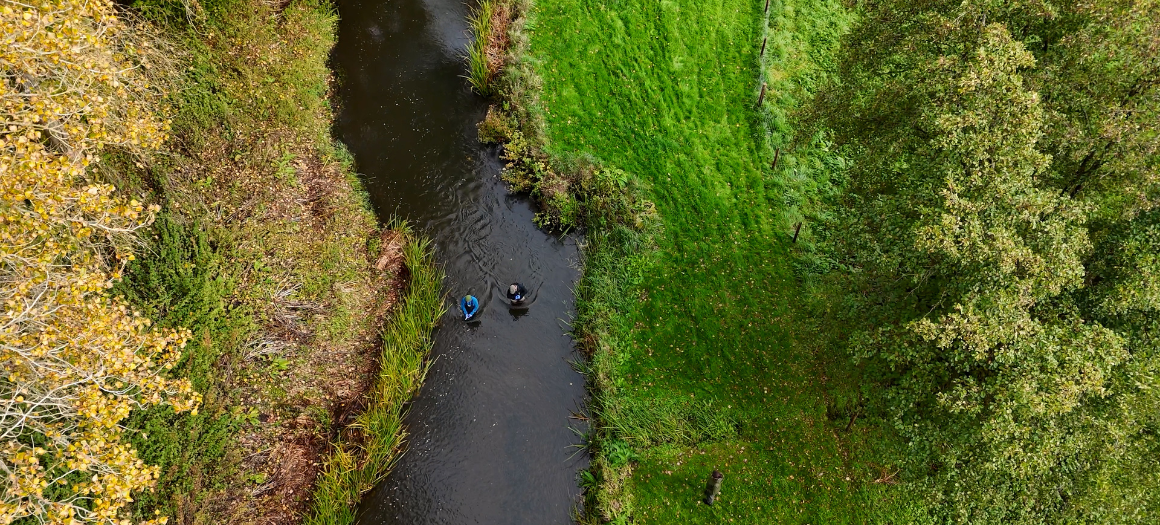
Environmental DNA (eDNA) is an exciting scientific tool that allows us to explore the diversity of organisms living in the environment. In this blog, freshwater ecologist Dr Sam Green explains eDNA and the advantages it brings to citizen science when we unlock its full potential.
eDNA explained
DNA (deoxyribonucleic acid) is the blueprint of biological life at the molecular level. This framework can identify what a species is and its relatedness to other life on Earth. Your genetic code, for example, not only identifies you as an individual, but also as a human (species), a great ape (family), a mammal (class), and even somewhat of a banana!
When an organism’s genetic material enters the environment, we get environmental DNA. This happens through numerous pathways as organisms live out their lives. Take Northern pike (Esox lucius) as an example, the apex predator of UK freshwaters. When hunting, this fish’s physical attacks will release the DNA of its prey into the surrounding water. Meanwhile, as water flows through its gills or along the body’s surface, its own genetic material will constantly shed into its surroundings.
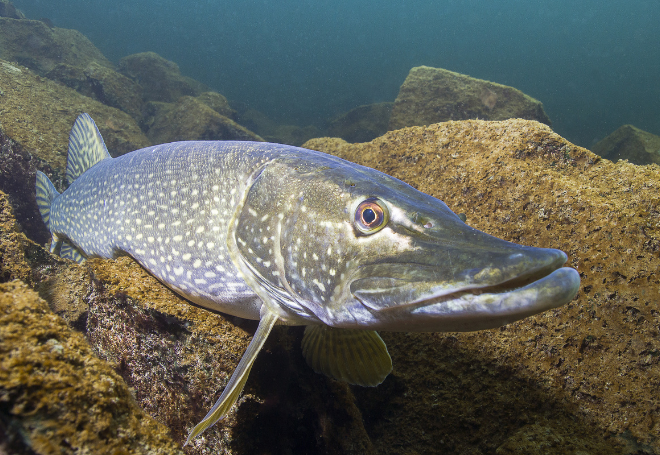
Image 01: One of the UK’s largest apex freshwater predators, the Northern Pike is formidable to any prey with its long, torpedo-shaped body and razor-sharp teeth.
These interactions are constantly occurring between organisms and the environment across the tree of life. Whatever environmental medium life moves through, be it soil, air, or, in this case, water, it creates a genetic echo reflecting the diversity of life. When processed, this fusion of genetic information can be disentangled and give us greater insights into diversity than ever before.
The advantages of eDNA in wild fish conservation
eDNA has the potential to have a huge impact on how biological communities (the interacting populations of different species in a specific area and time) are monitored. Data that will be especially vital as we seek to reverse the ecological decline and restore healthy populations of wild fish in UK rivers. The benefits of eDNA include:
1. Data collection efficiencies
Traditional survey methods such as macroinvertebrate kick-sampling (used by our SmartRivers volunteers) or electrofishing will remain hugely valuable. eDNA presents a new layer of ecological information that complements these established practices and requires less time and experience.
2. Access to data from rare or endangered species
As genetic material can persist in the water after an organism has passed through, eDNA sampling can help detect species that are difficult to observe directly. This could include rare or endangered species that need urgent protection or provide an early warning system for invasive non-native species spreading into new areas. In both cases, having tools that can reliably and quickly detect these species is vital for informing effective management strategies. For rivers in particular, the movement of water means a sample may capture biological information from a wider area of the upstream catchment of a site in a less resource-intensive and invasive manner, helping to efficiently target future conservation work.
3. The breadth of available data
One of the real strengths of eDNA lies in the volume of information that can be extracted in one sampling session. While traditional monitoring strategies might focus on individual taxonomic groups, a single water sample can give a much wider view of what is living in and around the river. We are offering SmartRivers groups the Tree of Life technique through our partners Trace Biomonitoring. This collection method captures information on 33 taxonomic groups across the biological spectrum, from bacteria to birds, including important groups like fish and macroinvertebrates. This is a powerful tool for understanding and tracking changes in whole-community diversity while building a more complete picture of freshwater ecosystems.
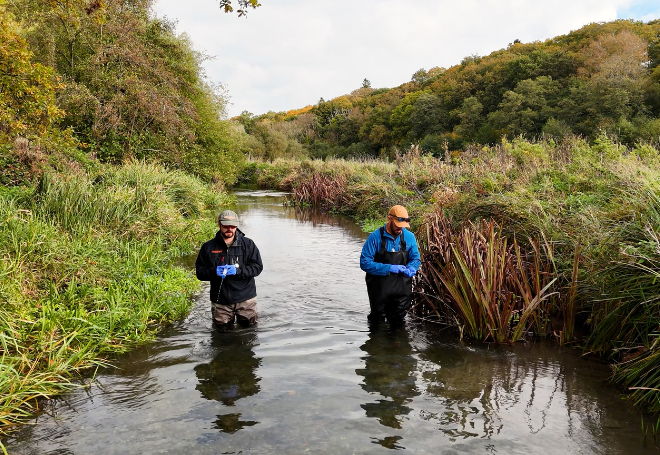
Image 02: eDNA is being offered as a new data collection pathway for SmartRivers groups later this year.
Data supported by field-based understanding
Hands-on ecological understanding from those in the field is vital for getting the most out of eDNA sampling. For example, if searching for a rare riverfly (mayfly, caddisfly, or stonefly) species, then sampling during the period when nymphs are shucking their exoskeletons and emerging as adults could maximise the chance of detection, as there will be more genetic material in the environment. An understanding of the seasonal movements and habitat preferences of animals, or the growth patterns of aquatic plants, will also help fine-tune monitoring strategies for maximum effect. Embracing lab-based techniques does not mean losing connection with valuable field skills.
We’re proud to be working with WildFish to bring eDNA into their Citizen Science offering through SmartRivers. Everything in nature leaves a trace, and through this combination of techniques, we can help document the diversity of life in our rivers with unprecedented detail.
Dr Lewis Campbell
Science Director, Trace Biomonitoring
Unlocking eDNA’s full potential
Nature and ecological data are messy, and there is no perfect system for understanding the natural world. By recognising its limitations, we can maximise the benefits of eDNA for environmental conservation. Understanding the relative strengths and weaknesses of different data collection methods is vital to any biological monitoring. When using eDNA, factors to consider include:
1. Building new databases takes time
The information provided by eDNA hinges on publicly accessible reference libraries of DNA sequence data of verified origin. These libraries are made by extracting DNA from known specimens and sequencing a “barcode” region of their genome to create species-specific signatures. These databases are already extensive, having been curated by researchers for decades, but more species are constantly being added. Without this information, we would be unable to pull out individual species and unravel the diversity within an eDNA sample. Currently, some species or groups may be poorly represented, and errors may exist within these databases, leading to misidentification of organisms or the loss of valuable data through unassigned reads. These libraries will continue to be enriched over time, and it is vitally important that these efforts are supported and the information within them remains widely accessible.
2. Incomplete data
While eDNA can give us excellent information about the presence or absence of organisms at a site (diversity), the method does not yet reliably tell us about population sizes (abundance). Using eDNA in conjunction with traditional methodologies like electrofishing and macroinvertebrate kick-sampling will provide an accurate overview of biodiversity and effectively monitor ecosystem health as the new technology develops.
3. Familiarity and experience
Understanding how eDNA interacts with environmental conditions is also important. For example, heavy rain might increase the likelihood of detecting nearby terrestrial species through runoff, while simultaneously diluting in-river eDNA concentrations and reducing read counts. Equally, as ultraviolet radiation damages DNA, samples collected during periods of low flow and bright sunshine might capture genetic information from a reduced distance upstream of the sampling point compared to overcast conditions.
While eDNA has been used in microbiology since the late 20th century, it is only in recent decades that its use has really expanded across the conservation sector. WildFish has written before about Shifting Baseline Syndrome, and how easy it is to forget what a healthy ecosystem looks like over generations. So, while it is important to integrate novel methods that increase our understanding of the natural world, it’s equally important not to disconnect from our historical monitoring datasets.
Connecting eDNA with citizen science
Citizen science is increasingly important in understanding the health of UK rivers, as funding constraints limit regulators and environmental pressures build. eDNA enables volunteers to survey more sites, cover a greater range of species, and generate richer insights than professional monitoring programmes alone can achieve. With appropriate planning, it also creates stronger connections between people and nature.
The collection of a sample itself is surprisingly simple. Volunteers collect one set volume of water from a site using sterile equipment and follow clearly defined sampling protocols. These samples can then be sent off for sequencing by experts in laboratories.
Robust methodologies and training, alongside clear research questions and scientific support, will be fundamental to the success of eDNA in citizen science projects. At WildFish, we have developed strong partnerships with experienced organisations like Trace Biomonitoring to ensure our volunteers are getting the most out of the data. Further guidance on the effective use and planning of DNA monitoring within citizen science by the UK Environmental Observation Framework can be found here.
The future of eDNA
eDNA is an innovative technique that lets us decode the molecular building blocks of life from the environment and understand the diversity of life in our rivers through a finer lens than ever before. Combined with sampling techniques linked to long-term datasets, field knowledge built through decades of hands-on conservation work, and clear survey protocols, it offers exciting opportunities to better understand how freshwater ecosystems are changing in an increasingly pressured world.
It is an exciting addition to the SmartRivers toolkit, and we look forward to working with our volunteers to see what more we can learn about our rivers.
Want more content like this? Sign up to stay connected with the latest news and actions from WildFish.
Subscribe for more