When we think about water pollution, familiar culprits come to mind: sewage, industrial chemicals, or agricultural pesticides. But there is another source of contamination flowing quietly into UK rivers and lakes that receives far less attention – veterinary medicines.
Designed to protect the health of livestock and pets, these medicines are now emerging as a significant and under-recognised threat to freshwater ecosystems.
The impact of veterinary medicines
Many veterinary medicines, particularly parasiticides used to treat fleas, ticks and worms, are specifically designed to kill invertebrates. That is exactly why they work. But once these substances escape into the environment, their biological potency doesn’t stop at the animal they were prescribed for.
In rivers and streams, these chemicals can be highly toxic to aquatic insects and freshwater invertebrates – organisms that form the base of aquatic food webs and that are already experiencing widespread declines. When these populations are harmed, the effects ripple upward to fish, birds, and other wildlife that depend on them.
Where research has been carried out, the findings are concerning:
- Sheep dip chemicals, such as synthetic pyrethroids, have previously caused severe declines in river invertebrates
- Livestock parasiticides like ivermectin persist in dung and can wash into water, where they are toxic to aquatic life
- Pet flea and tick treatments containing fipronil and imidacloprid are increasingly detected in UK rivers, often at levels above ecological safety thresholds
Some substances can bioaccumulate in organisms, while others break down into products that are even more toxic than the original compound.
Veterinary medicines are vital tools for animal welfare and food production. They are also an overlooked source of pollution. Their environmental footprint can no longer be treated as a side issue. Without improved monitoring, stronger regulation, and better data transparency, UK rivers may continue to absorb a stream of biologically active chemicals with consequences that are only just beginning to be understood.
From animal to river
Contamination does not usually result from accidents or illegal activity. Instead, it occurs through routine, everyday pathways:
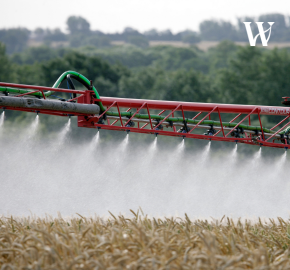
- Rain washes residues from treated livestock and manure into streams
- Animal faeces containing medicine residues are deposited on land
- Household wastewater carries chemicals from washing treated pets, bedding, or hands
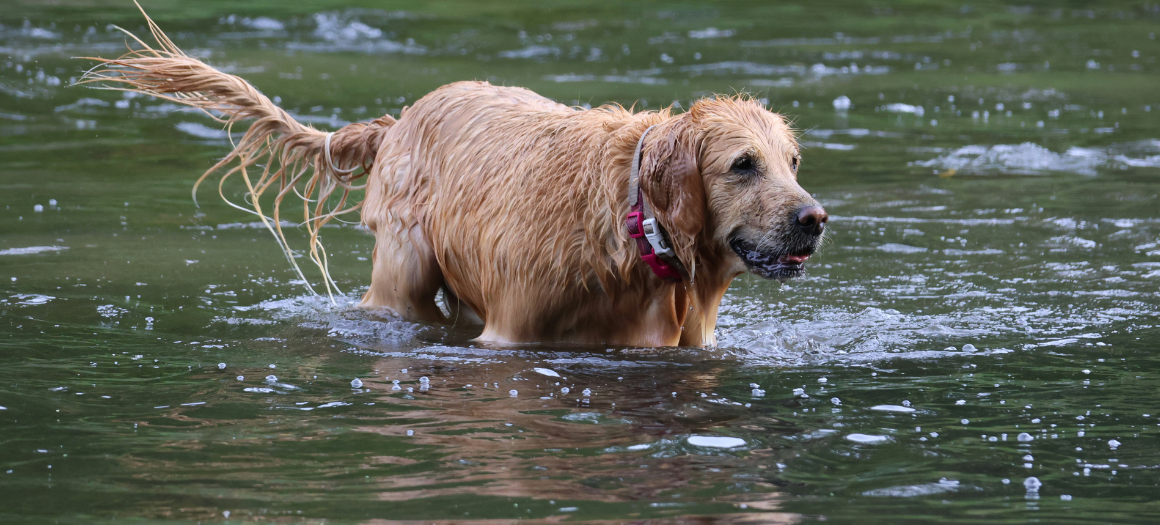
- Dogs and other animals enter watercourses after treatment
- Effluent from intensive animal rearing facilities enters the wider environment
Historically, agriculture was assumed to be the dominant source. Growing evidence shows that pet treatments may now be a major contributor.
Unpicking the cause of the problem
1. A major monitoring gap
Despite increasing evidence of contamination, the UK does not routinely or consistently monitor many veterinary medicines in surface waters. Testing is patchy, geographically uneven, and often short-term. Many commonly used substances are not systematically included in monitoring programmes at all. These inconsistencies are creating a serious “monitoring gap”. Environmental harm may be occurring on a large scale without being properly measured or understood.
2. Regulatory weaknesses
Veterinary medicines are authorised under a system that weighs the overall “benefit–risk balance.” In practice, this means environmental harm can be considered acceptable if the benefits to animal health or productivity are judged greater. This approach contrasts with agricultural pesticide rules, which require that products do not cause unacceptable environmental effects.
Key weaknesses include:
- Limited environmental testing, especially for pet medicines
- Heavy reliance on industry-supplied data
- Little consideration of combined or “cocktail” effects from multiple chemicals
- Marketing authorisations in Great Britain that effectively last indefinitely
- Weak post-approval environmental surveillance, which depends largely on voluntary reporting systems ill-suited to detecting ecosystem damage
3. The data blind spot
There is no comprehensive, publicly available dataset showing how much of each veterinary medicine is used, where, and in which species. Without this information, assessing environmental exposure and risk becomes extremely difficult.
Why this matters in the fight to protect wild fish
Freshwater ecosystems are already under intense pressure from pollution, climate change, habitat loss, and over-abstraction. Veterinary medicines add a systemic chemical stress that is largely invisible in policy and public debate.
The current framework places environmental protection secondary to animal health and commercial interests. Monitoring is inadequate, data is missing, and regulation is not structured to prevent long-term ecological damage to wild fish habitats.
What’s needed to safeguard freshwater habitats
To protect rivers, lakes and streams from further decline, we are urging the Government to:
- Strengthen the environmental duty within veterinary medicines legislation and authorisation decisions
- Require full environmental risk assessments for widely used companion animal parasiticides
- Establish routine national monitoring of veterinary medicine residues in surface waters
- Improve transparency of regulatory data and environmental assessments
- Introduce mechanisms for ongoing re-evaluation of authorised products in light of new environmental evidence
- Close regulatory gaps between veterinary medicines, pesticides, and environmental protection law
Follow the link below to read our latest report and learn more about the impacts of veterinary medicines.
Veterinary Medicines Report
By: Dr Janina Gray
Head of Science and Policy






It would be really helpful to know what is best practice regarding treating pets with insecticides e.g pills rather than spot on or spray? Collecting faeces and disposing via ? Concern regarding Lymes disease. How wellinformed are our vets?
Thanks for your interest. We’re working on further materials to share with supporters following the release of our main report. For the latest updates on this, we recommend subscribing to our newsletter using this link: https://wildfish.org/#subscribe – you can also following us on social media @wildfishcons
I totally understand and support the focus that this report gives to aquatic pollution in the UK which is none other than absolutely alarming. It is shocking that our authorities have allowed this state of affairs to develop when a basic level of knowledge should enable the damaging impacts to be blindingly obvious. As a dog owner, I know to be careful when handling flea, tick and worm products and have wondered if any hazard stopped when the product was ingested. Sadly, there is very little information available to pet owners who are reliant on their vet to provide safe products. I am horrified to learn that this is not the case and that my efforts to keep my dog healthy are actually impacting on the waterways that I care about so much. I also wonder what impact these products may have on our Vets, farmers, pet carers such as dog groomers and many others who are in constant exposure to animals which have been dosed with these products.
Keep up this excellent work.